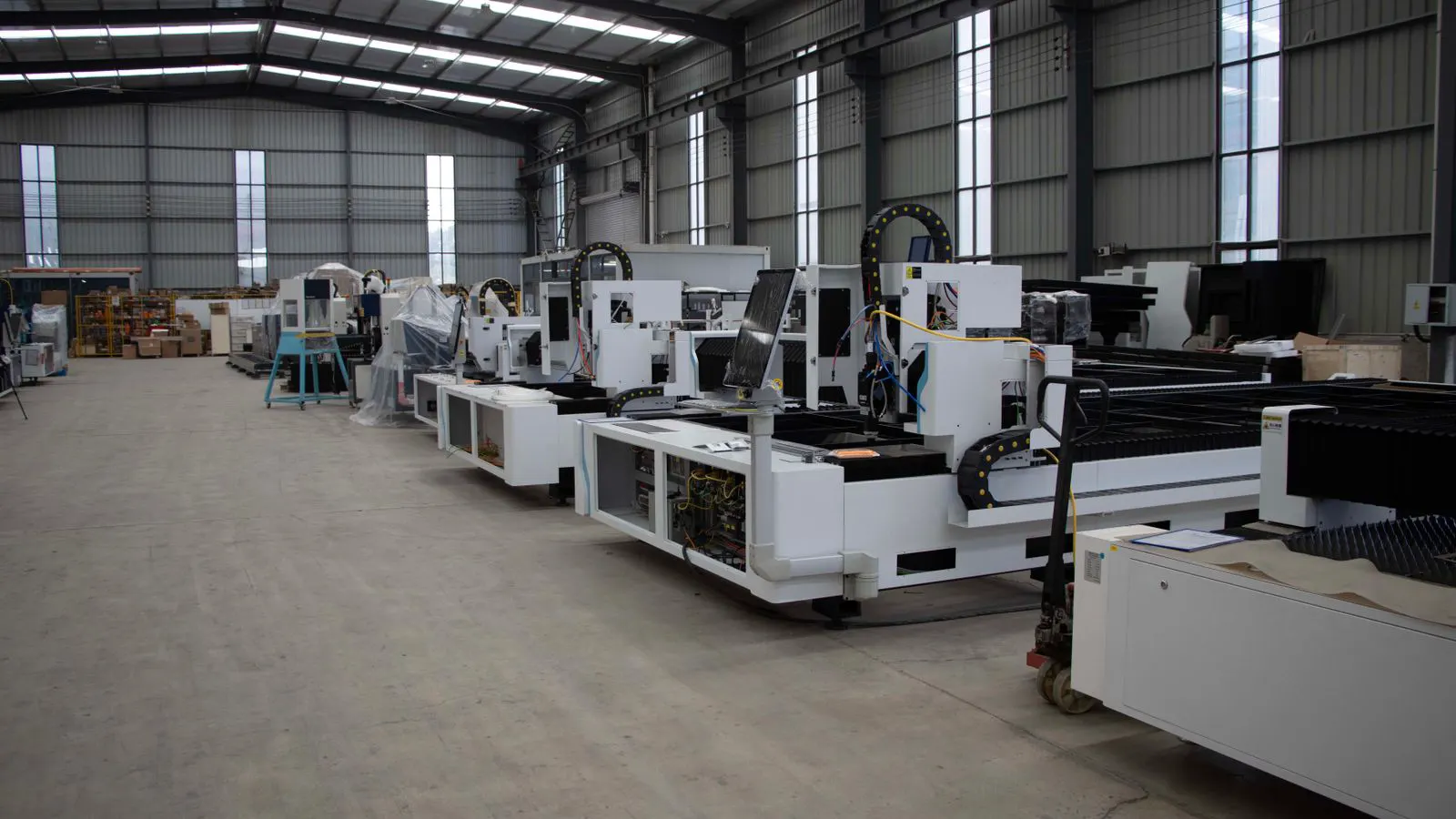
Checklist: Supplier Financial Health and Local Service Presence

Procurement teams should verify a supplier's balance sheet, cash reserves, and local workshop capacity before signing. This checklist covers bank references, technician travel times, spare parts inventory, and contract terms that protect long-term press availability.
- Verify bank references and credit reports before relying on supplier marketing claims.
- Measure local service response by checking workshop hours, technician availability, and parts warehouse location.
- Treat vendor risk as a procurement variable, not an afterthought, when comparing total cost of ownership.
- Align warranty and service agreement terms with the supplier's actual operational capacity.
- Document every supplier capability check to create a defensible audit trail for internal stakeholders.
Why Supplier Financial Health Matters Before You Sign
A press contract is a long-term commitment. The supplier must be financially stable enough to honor warranty terms, provide spare parts, and maintain press calibration standards for years after the machine leaves the factory. Procurement teams often focus on press speed, substrate compatibility, and automation options. They overlook the financial structure that keeps the machine running.
A supplier with thin margins or high debt levels may cut service costs first. Technicians get less training. Spare parts inventory shrinks. Warranty response times stretch. The press may still print, but support becomes a source of downtime.
This checklist focuses on the supplier selection process. It separates marketing claims from verifiable data. It gives you a practical audit trail for internal approval.
Section 1: Verifying Financial Stability
Start with the supplier’s balance sheet, income statement, and cash flow statement. Ask for the last three fiscal years. You are looking for patterns, not single-year spikes.
- Revenue stability. Does the supplier show consistent or growing revenue? Sudden drops may indicate lost major accounts or over-reliance on one customer.
- Debt-to-equity ratio. High use means the supplier has limited flexibility. They may delay capital investment in training or parts logistics.
- Operating cash flow. Positive operating cash flow indicates the core business generates cash. This matters for service contracts and warranty claims.
- Accounts receivable days. Slow receivables may signal strained customer relationships or aggressive credit sales.
Request a bank reference letter. Confirm the relationship is direct, not forwarded through a third party. Check the bank’s contact details independently.
Red Flags to Watch
- Supplier refuses to provide financial statements or offers only verbal assurances.
- Recent change in ownership without clear integration planning.
- High employee turnover in engineering and service departments.
- Unexplained delays in delivering samples or press configurations.
Section 2: Assessing Local Service Presence
A supplier’s service presence determines how fast your team gets help when a registration sensor fails or a ink fountain clogs. Check where their local support is physically located.
- Local workshop or service center. Is there a facility within a reasonable travel radius? Distance matters for response time.
- Technician availability. Are there dedicated technicians on-site, or do they come from a central pool? On-site staff know your press and your substrate mix.
- Spare parts warehouse. Where are critical parts stored? A central warehouse may take days. A local stock point can reduce downtime.
- Service hours. Do service technicians work during your shift? Some suppliers only offer business-hours support, which conflicts with 24-hour press schedules.
Red Flags to Watch
- Service response promises are vague, such as “we will contact you soon.”
- Technicians are shared across multiple regions without clear priority.
- Parts must be imported for common failures.
- No local reference customers who can confirm response times.
Section 3: Evaluating Spare Parts and Maintenance Capacity
A press is only as good as its maintenance cycle. Ask how the supplier handles routine maintenance and emergency repairs.
- Routine maintenance schedule. What tasks are included? Inspect ink delivery, cleaning systems, register calibration, and safety interlocks.
- Spare parts lead time. What are the typical lead times for rollers, sensors, motors, and control boards?
- Consumables availability. Are fusers, belts, and filters stocked locally?
- Maintenance training. Does the supplier train your technicians? Do they provide digital manuals and diagnostic tools?
Red Flags to Watch
- Long lead times for common parts.
- No access to diagnostic software or error codes.
- Maintenance visits require multiple trips for minor adjustments.
- Supplier does not provide a parts catalog with compatibility codes.
Section 4: Checking Vendor Risk and Contract Terms
Vendor risk includes the chance that the supplier cannot fulfill a promise. This is not just about bankruptcy. It includes operational failures, supply chain gaps, and poor contract terms.
- Contract ownership. Who owns the press after delivery? Who controls the service contract?
- Warranty scope. What is covered? What is excluded? How long is the warranty period?
- Service level agreement (SLA). What is the target response time? What happens if the supplier misses it?
- Exit terms. What happens if you stop using the supplier? Can you take the press and parts to another service provider?
Red Flags to Watch
- Warranty excludes common failure modes.
- SLA has no penalty or escalation path.
- Supplier requires exclusive parts purchase.
- Contract locks you into a single service provider for the press life.
Section 5: Reviewing Supplier References
Do not rely on a single reference. Ask for at least three customers with similar press types and production volumes.
- Production environment. Do they run similar substrates and speeds?
- Downtime experience. How often did they face critical failures?
- Service quality. Were technicians prepared and on time?
- Parts availability. Did they receive parts without delay?
- Relationship. Would they choose the same supplier again?
Red Flags to Watch
- References are only from the supplier’s sales team.
- References cannot confirm specific service incidents.
- Customer is in a different industry with different maintenance needs.
- Reference customer is under contract pressure and gives a generic answer.
Section 6: Comparing Total Cost of Ownership
Price is not the only cost. A cheaper press with weak service support can cost more over five years.
| Cost Factor | What to Check | Typical Risk |
|---|---|---|
| Purchase price | Press configuration, automation, substrate compatibility | Hidden upgrade costs |
| Installation | Engineer time, utility connections, floor preparation | Delays and change orders |
| Spare parts | Local stock, lead time, compatibility | Downtime and production loss |
| Service visits | Response time, technician expertise, travel fees | Unexpected costs |
| Maintenance | Routine tasks, consumables, training | Skill gaps and errors |
| Warranty | Scope, duration, exclusions | Uncovered failures |
Calculate the five-year cost for each supplier. Include downtime estimates. A small price difference at purchase may be outweighed by service gaps.
Section 7: Documenting Your Audit Trail
Record every check. Save financial statements, bank reference letters, service agreements, and reference call notes. This creates a defensible audit trail.
- Keep a supplier scorecard.
- Record response times and service outcomes.
- Track parts lead times after delivery.
- Update the scorecard annually.
This process supports internal approval. It also gives you use if the supplier’s performance declines.
Final Checks Before Contract Signature
Before signing, confirm the following:
- Financial statements are current and consistent.
- Bank reference is verified independently.
- Local service center is identified with contact details.
- Spare parts warehouse location is confirmed.
- SLA response times are written into the contract.
- Warranty scope matches your production needs.
- At least three customer references are reviewed.
- Total cost of ownership is calculated.
- Exit terms are clear.
- Audit trail is complete.
If any item is missing, ask for clarification before signing. A supplier that cannot provide basic service data is a risk you should not assume.
Supplier selection is a data exercise. It takes time, but it protects your production line. Use this checklist to separate capable suppliers from those that only sound good in a sales call.
Frequently asked questions
How do I verify a supplier’s financial health without asking for sensitive data?
Request a bank reference letter and ask for a summary of financial ratios. Many suppliers provide a credit report or a short financial health statement for qualified buyers.
What is a realistic service response time for a local supplier?
Response times vary by region and press type. A local workshop may respond within a few hours. A central pool may take a day or more. Check with references for actual times.
Should I require a local spare parts warehouse?
If your production schedule is tight, yes. A local stock point reduces downtime. If parts are critical and long-lead, ask for a minimum stock level in the contract.
How do I handle a supplier with strong press specs but weak service data?
Do not sign until service terms are clear. Strong press performance without reliable support creates downtime risk. Ask for a service level agreement with measurable targets.
Can I switch suppliers after installation?
Yes, if the contract allows. Check exit terms. If the contract locks you in, negotiate a release clause or a period after warranty expiration.