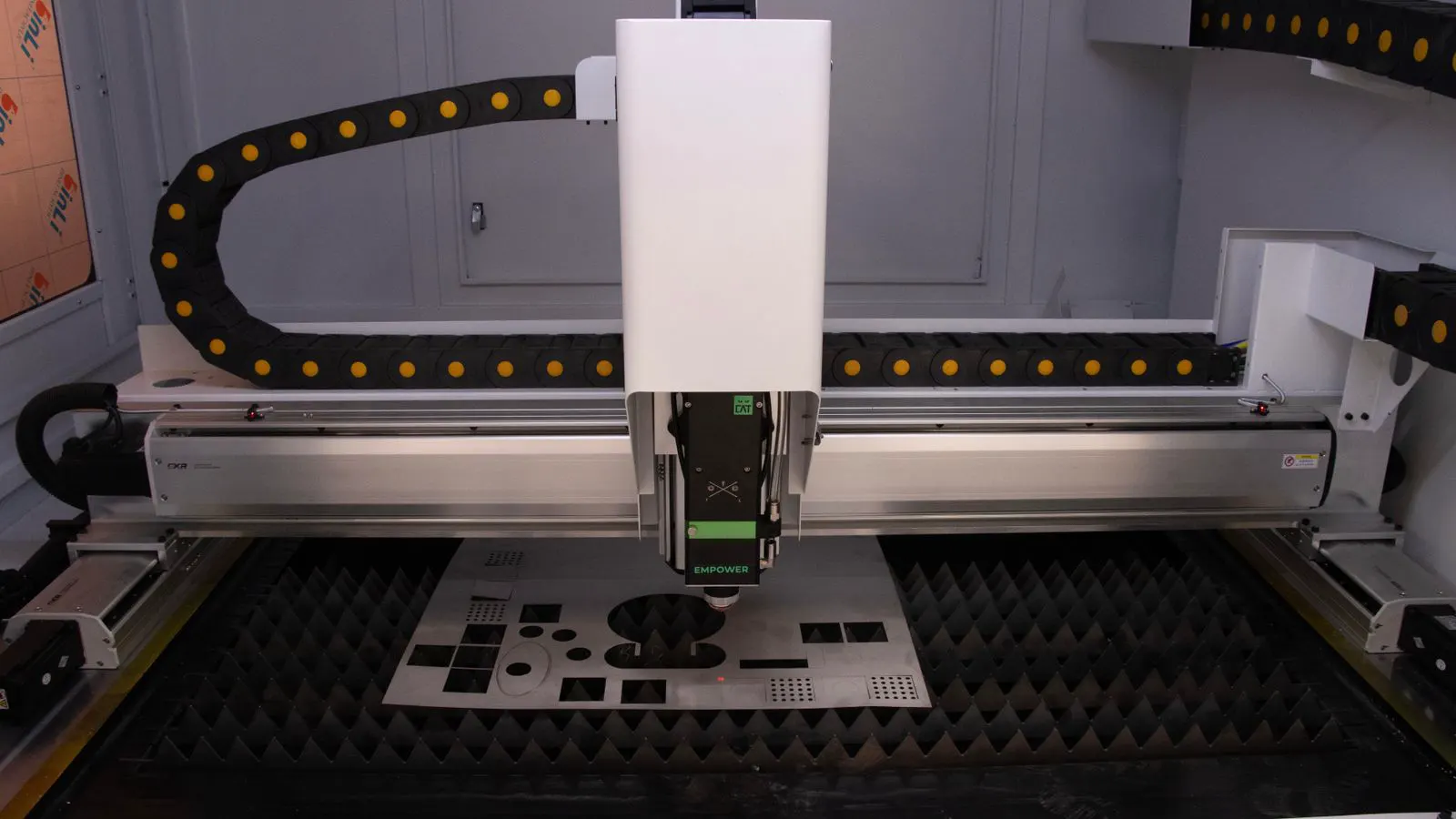
Offset Presses
How Plate Curing Affects Offset Print Quality
Plate curing controls how long an offset plate holds fine detail and resists wear during production. Proper cure chemistry and timing improve resolution and durability.
Clear technical guides for choosing and running printing machinery.
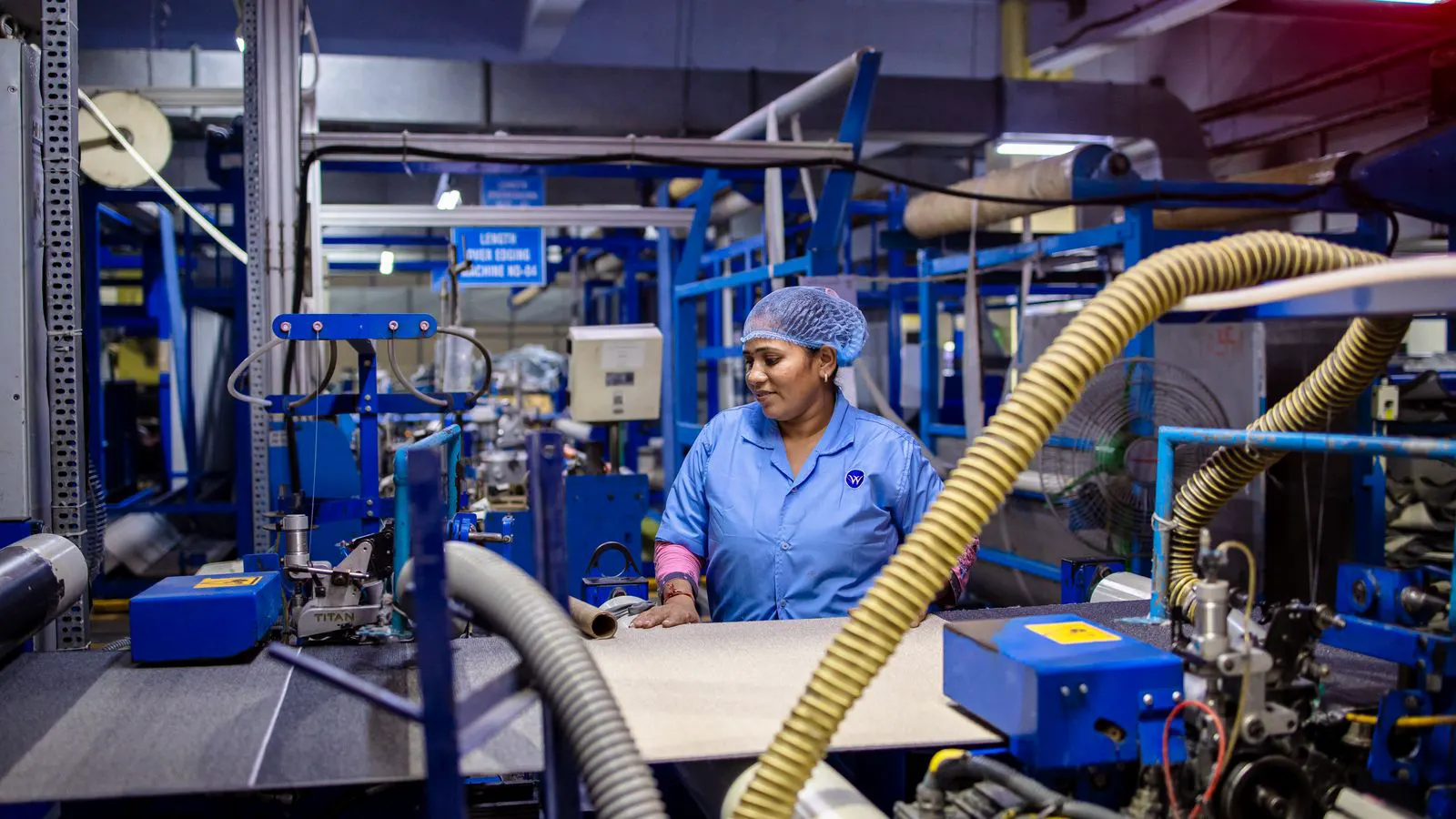
Buying and operating print equipment requires checking specifications, verifying quality controls, and comparing total cost of ownership against production targets. This site provides plain-language explanations of the decisions that determine whether a press or finishing line performs reliably over years of operation.
The content covers offset presses, digital printing, flexo and gravure processes, finishing and binding, consumables, cost and ROI, and supplier selection. Each section explains the technical factors buyers must verify during evaluation, including ink systems, substrate compatibility, registration accuracy, maintenance intervals, and spare parts availability.
Start with the stage of the sourcing process you are in.
Guides to screen, web, and sheet-fed offset systems, including maintenance, ink limits, and performance metrics.
Insights on digital presses, inkjet technology, short-run workflows, and choosing equipment for variable data printing.
Practical information on flexo and gravure presses, roll printing, packaging applications, and plate technology.
Equipment guides for die-cutting, folding, gluing, stitching, and binding to complete printed products.
Selection tips for inks, papers, plates, rollers, and maintenance parts used in offset, digital, and flexo.
Frameworks for calculating press costs, payback periods, and budgeting for new printing machinery investments.
Checklists for evaluating vendors, comparing specifications, and planning installation and after-sales support.
Plate curing controls how long an offset plate holds fine detail and resists wear during production. Proper cure chemistry and timing improve resolution and durability.
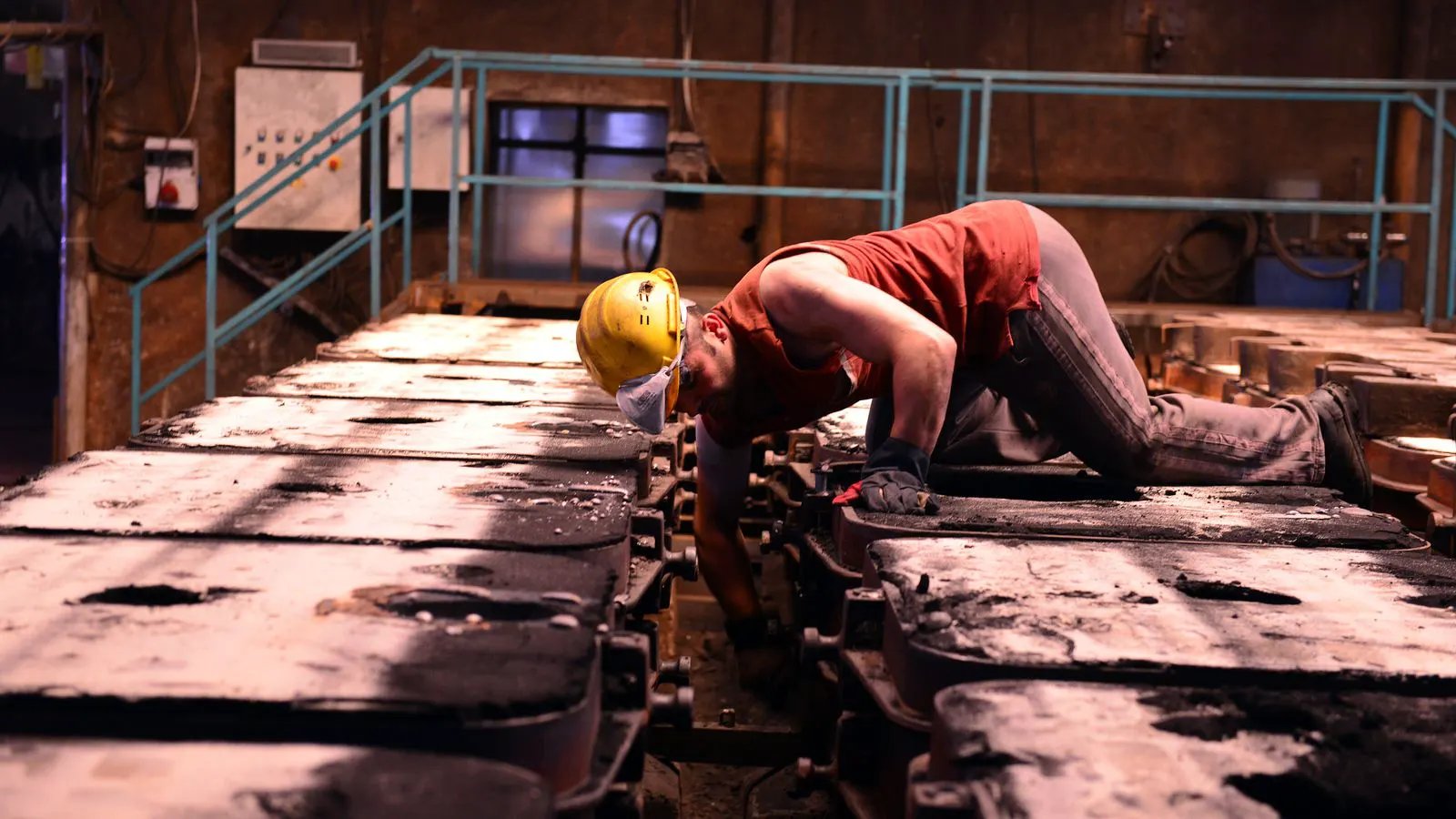
High press downtime reduces return on investment by cutting production hours and raising costs. This guide lists common failure symptoms, likely causes, and fixes in a
A uniform layer of adhesive is the foundation of a clean binding run. This practical audit checklist helps operators and engineers check nozzle output, pressure
Plate thickness die cutting directly changes the pressure required to cut a clean edge. Thicker plates transfer force differently than thin ones, so adjusting pressure
Confirm your facility's electrical infrastructure matches the press's load requirements. This checklist covers installation planning, electrical safety, and load
Maintenance supervisors must match roller maintenance kits to press speed, roller type, and substrate load. This guide outlines how to assess fit, material quality, and
Importing web tension sensors costs more than the unit price because freight, insurance, duties, and compliance add to the total. Lead time extends beyond factory

To budget for post-press finishing equipment, first measure your actual print output and product mix. Next, calculate labor and space requirements. Finally, model total
Calibrate inkjet color by standardizing media, verifying profiles, running control strips, and adjusting ICC profiles. Use a densitometer to match target values before
Offset printing uses a separate plate and blanket to transfer ink, which suits high-volume runs with consistent color and speed. Digital printing uses toner or liquid ink directly from a file, making it better for short runs, variable data, or frequent design changes.
Check references from similar production environments, review service response times, confirm spare parts availability, and request test runs on the specific substrates and inks you plan to use.
Ink, plates, blankets, water solutions, and cleaning agents directly impact registration, color consistency, and substrate adhesion. Using consumables rated for the specific press model and production speed prevents downtime and quality defects.
Cost of ownership includes energy use, consumables, maintenance, operator training, spare parts, and downtime. A lower purchase price can be offset by higher operating costs if the machine requires more frequent servicing or uses expensive consumables.
Verify die-cutting accuracy, adhesive type compatibility, binding methods, substrate handling, and throughput speed. The machine must match the specific job type, such as saddle stitch, perfect binding, or case binding, to avoid rework.
Flexo printing uses a flexible plate and liquid ink, suited for packaging, labels, and short-to-medium runs. Gravure uses a cylinder with engraved cells, offering high-speed, consistent results for long runs on flexible substrates like plastic, paper, and foil.