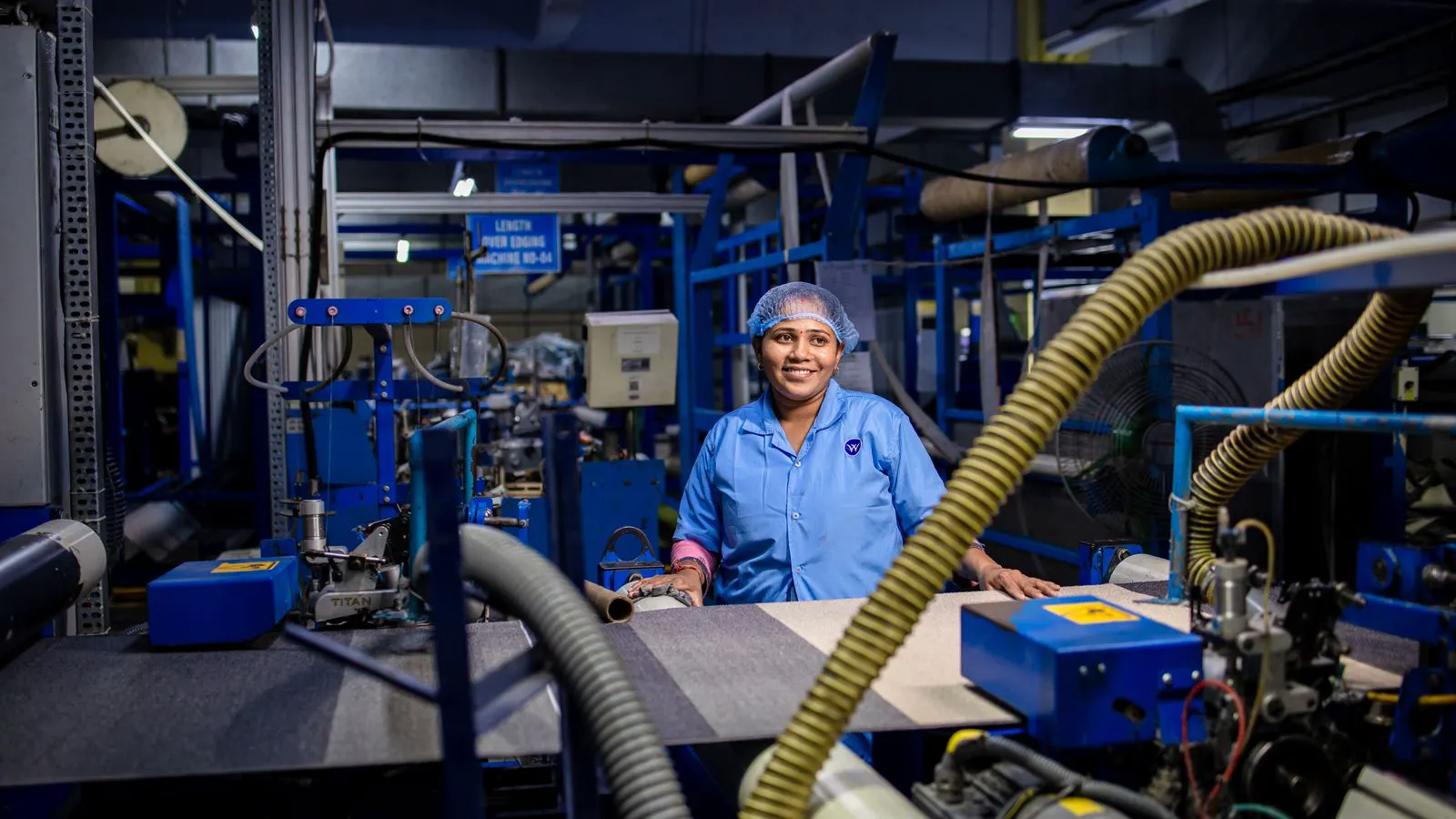
Flexo and Gravure Trends in Label and Packaging Printing
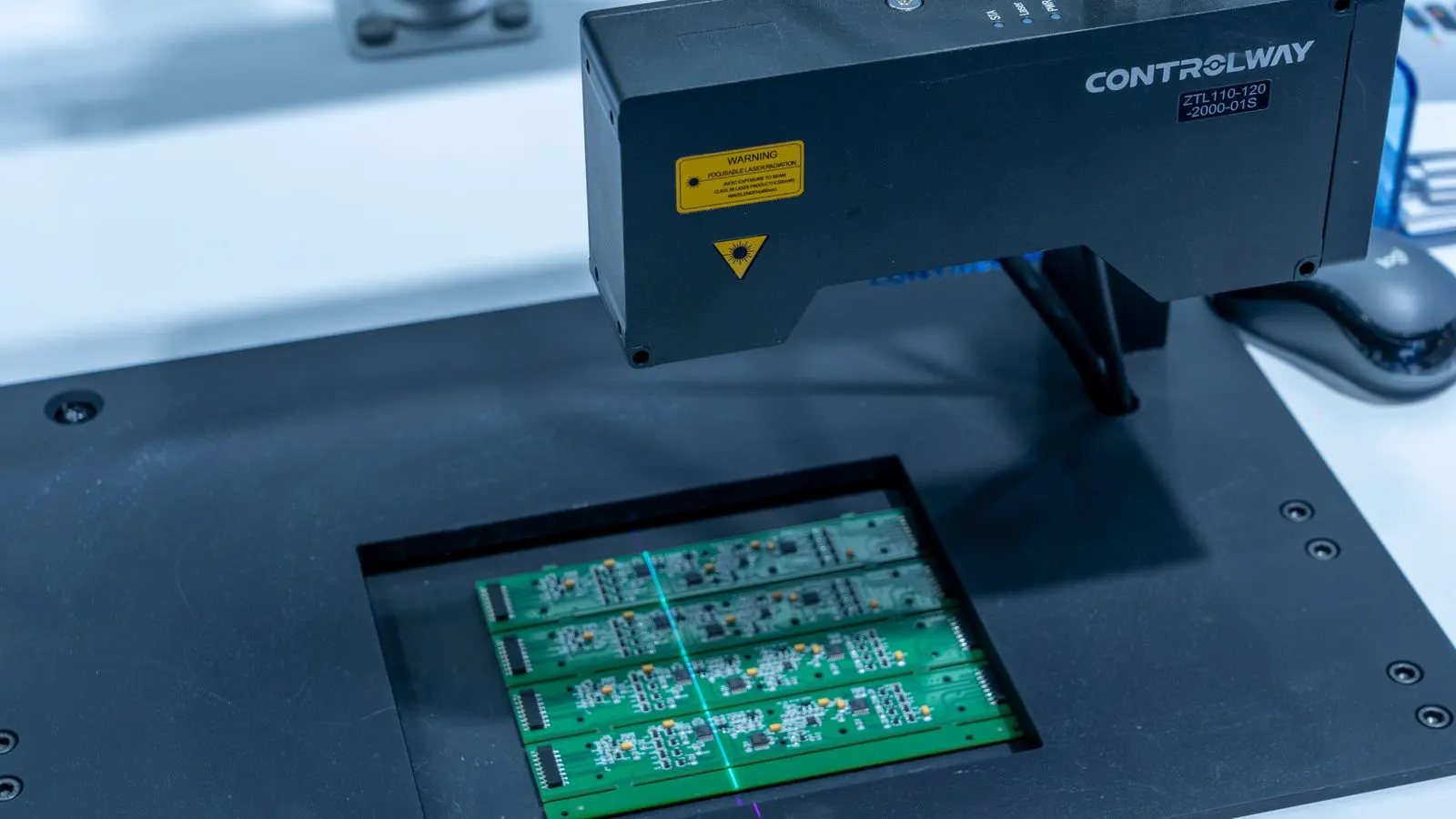
The packaging sector is moving toward higher automation, digital hybrid workflows, and sustainable ink systems. Buyers should prepare by evaluating press compatibility, automation integration, and sustainable material options to stay competitive in label printing.
- Flexo and gravure presses are increasingly paired with digital hybrid workflows, reducing setup time for short runs.
- Automation and remote monitoring are becoming standard expectations for high-volume packaging lines.
- Sustainable inks and substrate options are driving new press specifications and maintenance practices.
- Buyers should evaluate press flexibility, data integration, and energy efficiency before purchasing.
Why the Shift Is Happening Now
The label and packaging sector is under pressure to cut setup times, reduce waste, and meet stricter material standards. These pressures are reshaping how buyers approach flexo and gravure machinery. Instead of treating these presses as standalone islands, operators are integrating them into broader production systems. The result is a move toward hybrid workflows, smarter automation, and sustainable material handling.
This shift is not driven by a single factor. It is the result of several market forces converging at once. Retailers are demanding smaller order quantities to reduce inventory risk. This means fewer large, uninterrupted runs and more frequent changes in design and size. At the same time, environmental regulations are tightening. Many regions now have stricter limits on volatile organic compounds and require better recyclability of packaging materials. These rules force buyers to reconsider the inks and substrates they use.
The operational cost of these changes is rising. Energy costs for drying units have increased. Labor costs are rising in many regions. Operators are harder to find. A press that requires a full crew of five people to run efficiently is no longer viable for many small and medium-sized packaging plants. The industry is moving toward machines that can run with fewer operators, higher precision, and lower downtime.
For the buyer, this means the press is no longer just a piece of metal that prints ink. It is a node in a complex system. It must handle varying materials, connect to digital files, report its own performance, and comply with environmental standards. The evaluation process has changed accordingly. Buyers are no longer just asking about speed. They are asking about the total cost of ownership, which includes energy, waste, labor, and compliance.
How Hybrid Digital-Flexo Workflows Are Changing Setup
Digital press technology is no longer confined to commercial printing. In packaging, it is finding a role as a bridge between short-run and long-run production. Flexo presses are being paired with digital units for proofing, short runs, and variable data. This reduces the need to run short jobs on high-speed gravure or flexo lines where ink and plate costs become prohibitive.
Buyers are now asking whether a flexo press can accept digital files directly, or if an intermediate step is required. Some presses now accept prepress files with minimal conversion. Others still rely on analog plate-making. The difference affects setup time and operator skill requirements. A digital workflow eliminates the physical plate. The file goes from the design software to the press engine. There is no etching, no drying, no physical handling of plates. This removes a major bottleneck in the production process.
The integration is not always smooth. The file format is a common point of friction. Many digital presses require specific file structures and color profiles. If a flexo press uses a different color management system, the colors may shift. This creates a need for rigorous color management. Buyers must ensure that their prepress system can output files that both the digital press and the flexo press can interpret accurately.
A practical example: a label maker producing 500 labels of a specific design per week. Previously, that might mean a flexo run with a plate change. Now, a hybrid setup can handle those 500 labels digitally and use the flexo press for the 10,000-label run of the same design. This split reduces ink waste and plate costs. The digital press handles the variable data, such as unique barcodes or customer names, which would be impossible on a standard flexo press. The flexo press handles the base artwork, which requires high speed and lower cost per unit.
This hybrid model changes the economics of short runs. A short run that was previously a loss-making job can now be profitable. The digital press covers its fixed costs with the short run. The flexo press covers its fixed costs with the long run. The combined system is more efficient than either machine working alone.
What Automation Is Replacing on High-Speed Lines
Manual adjustments are disappearing from high-speed gravure and flexo lines. Registration, ink density, and speed are being controlled by sensors and servo systems. Operators now monitor multiple jobs simultaneously from a single control panel.
The shift is not just about speed. It is about consistency. A gravure press running at high speed for a long period can develop subtle misregistration. Automated systems detect these shifts and adjust the plate cylinder in real time. Without this, the operator might not notice the drift until a quality check reveals a defect.
The sensors used for registration vary. Some use optical cameras that scan the print for a registration mark. Others use ultrasonic sensors that measure the distance between the print and the substrate. The choice of sensor affects accuracy and maintenance requirements. Optical sensors are highly accurate but can be affected by ink glare or substrate texture. Ultrasonic sensors are less affected by surface conditions but may have lower resolution. Buyers must consider the specific substrates they run.
Ink density control is another area of change. Manual ink fountain adjustments are being replaced by electronic in-roller systems. These systems use pressure rollers that are driven by motors. The motors adjust the pressure based on feedback from density sensors. This ensures that the ink coverage remains consistent even as the ink dries or the substrate changes. It also reduces ink usage. A precise application uses less ink than a manual application, which often over-inks to ensure coverage.
The control panel is the interface for all these systems. A modern control panel displays multiple parameters at once. It shows registration, density, speed, and temperature. It also shows alerts for potential issues. The operator can adjust the parameters from the panel without leaving the press. This reduces the time spent walking the line to make adjustments.
Buyers should ask how the automation system handles different substrates. A flexible film behaves differently than a rigid board. The sensors and feedback loops must be calibrated for the material. A press that works well on paper may need reconfiguration for a laminated label. The control system must be able to switch between different profiles. If the system requires manual re-calibration for each new substrate, the setup time remains high. An automated profile switch reduces this time significantly.
How Sustainable Inks Are Reshaping Press Requirements
The move toward water-based inks and low-VOC formulations is changing what buyers need from a press. Water-based inks require different drying methods than traditional solvent-based inks. They may need infrared drying, hot air, or a longer drying tunnel.
This has implications for the press design. A gravure press originally built for oil-based inks may not handle water-based inks without modification. The ink fountain, the ink return system, and the drying unit all need to be compatible. A flexo press with a standard ink system may struggle with the viscosity of water-based inks. Water-based inks are often more viscous than solvent-based inks. They require different metering rollers and fountain design to apply them evenly.
The drying unit is a critical component. Water-based inks dry by evaporation. This requires heat and airflow. Infrared drying uses heat lamps to evaporate the water quickly. Hot air drying uses fans to move air over the print. Each method has different energy requirements and different effects on the substrate. Infrared drying is fast but can cause heat damage to some plastics. Hot air drying is slower but gentler on the substrate. Buyers must choose a drying method that matches their substrate and production speed.
The substrate is also changing. More labels and packaging are made from recycled or mono-material options. These materials have different surface energies and may require different ink adhesion levels. Recycled paper may have more fiber variation, which can affect ink pickup. Mono-material films may have a different surface treatment than traditional multi-layer films. Buyers are now evaluating inks and substrates as a combined system, not as separate purchases.
This combined evaluation is crucial. An ink that works well on a virgin film may not work well on a recycled film. A substrate that works well with a solvent-based ink may not work well with a water-based ink. The buyer must test the combination. This testing takes time and resources. It requires access to the specific substrates and inks that will be used in production.
How Data Integration Is Changing Press Procurement
Presses are no longer just machines. They are data points in a production network. Modern presses can report speed, ink usage, registration accuracy, and downtime to a central system. This data helps operators plan maintenance, track quality, and manage inventory.
A gravure press that can report its ink consumption per job helps a buyer calculate the true cost of a run. A flexo press that tracks downtime can reveal which component fails most often, allowing for proactive maintenance.
The data is not just for the operator. It is for the manager. The manager can use the data to make decisions about production planning. If the data shows that a particular substrate causes frequent downtime, the manager can negotiate better terms with the substrate supplier or switch to a different supplier. If the data shows that a particular ink is being wasted, the manager can look into a different ink or a different press configuration.
Buyers should ask what data the press can export and in what format. Can it connect to an ERP system? Can it share data with a digital press for workflow coordination? The ability to integrate with existing software is now a standard expectation, not a premium feature.
The data protocol is a common point of friction. Some presses use open protocols like OPC UA. Others use proprietary protocols. Open protocols allow the press to connect to a wider range of software. Proprietary protocols may require specific software from the press manufacturer. Buyers should consider the cost and complexity of integrating the press into their existing IT infrastructure.
The data also helps with quality control. If the press reports registration accuracy in real time, the operator can catch a misregistration before it becomes a quality issue. This reduces the amount of wasted material. It also improves customer satisfaction.
What Buyers Should Evaluate Before Purchasing
Before committing to a flexo or gravure press, buyers need to look beyond the headline speed. The following factors determine whether a press will fit the production environment:
| Evaluation Factor | What to Check | Why It Matters |
|---|---|---|
| Substrate Compatibility | Film, board, recycled materials | Determines press configuration and drying needs |
| Automation Level | Sensor types, feedback loops, control panel | Affects consistency and operator workload |
| Ink System | Fountain design, drying method, VOC content | Impacts run cost and environmental compliance |
| Data Output | Export format, ERP integration, downtime tracking | Enables cost tracking and maintenance planning |
| Setup Time | Plate change time, registration accuracy | Directly affects short-run profitability |
The table above lists the key factors. Each one has a direct impact on the total cost of ownership. A press with a fast setup time may cost more upfront but save money on short runs. A press with advanced automation may require more training but reduce labor costs over time.
The substrate compatibility check is often overlooked. Buyers focus on the press itself, not on the material it will print. A press that is excellent on paper may be poor on film. The film may stretch or shrink differently than paper. The press must be able to handle this. The tension system, the guides, and the registration must be adjustable for film.
The automation level check is also important. Not all automation is equal. Some systems provide basic monitoring. Others provide full control. Buyers must understand what the automation can actually do. It is not enough to say that a press has sensors. The buyer must know what the sensors measure and how the system responds.
The ink system check is critical for environmental compliance. The buyer must know the VOC content of the ink. They must know the energy consumption of the drying unit. They must know if the ink is compatible with the substrate. These factors affect the cost of running the press and the risk of non-compliance.
The data output check is about future-proofing. A press that cannot export data is a black box. It does not provide insights into performance. It does not help with maintenance planning. It does not integrate with the rest of the production system. As the industry moves toward data-driven operations, a press without data output will become less useful over time.
How to Prepare for the Next Five Years
The next five years will see the continued integration of flexo, gravure, and digital technologies. Buyers should prepare by taking the following steps:
- Assess your current production mix. Identify which jobs are short runs and which are long runs. This will determine whether a hybrid workflow makes sense.
- Evaluate your substrate and ink suppliers. Confirm that they can provide sustainable options that work with your existing presses or your planned replacement.
- Review your data infrastructure. If your presses cannot export data, plan for a retrofit or a new purchase that supports integration.
- Train your operators. Automation changes the skill set required. Operators need to understand sensor calibration, data interpretation, and system troubleshooting.
- Plan for maintenance. Automated systems require regular sensor cleaning and firmware updates. Budget for this, not just for major overhauls.
These steps are not one-time projects. They are ongoing adjustments as technology and market expectations shift. A press purchased today may need a software update in two years. An ink system that works well now may need a different drying method in three years.
The production mix assessment is the first step. It involves looking at the last year of production records. It involves identifying the jobs that are most frequent and the jobs that are most profitable. It involves identifying the jobs that are causing the most downtime. This data will guide the decision on whether to invest in a hybrid system or to upgrade the existing system.
The supplier evaluation is the second step. It involves contacting the current suppliers and asking about their new products. It involves asking if they can provide samples of sustainable substrates and inks. It involves testing these samples on the existing presses. This testing will reveal if the existing presses can handle the new materials or if a replacement is needed.
The data infrastructure review is the third step. It involves checking the current IT setup. It involves identifying the software systems that are in use. It involves determining if the current systems can accept data from a press. If not, it involves planning for a new system or a retrofit. This is a complex task that requires coordination between the IT and production teams.
The operator training is the fourth step. It involves identifying the current skill set of the operators. It involves identifying the gaps in their knowledge. It involves planning a training program that addresses these gaps. The training should include hands-on practice with the new systems. It should include troubleshooting exercises. It should include data interpretation exercises.
The maintenance planning is the fifth step. It involves creating a schedule for regular maintenance. It involves identifying the components that require regular attention. It involves budgeting for the cost of maintenance. It involves planning for the downtime required for maintenance. This planning helps to avoid unexpected breakdowns and keeps the production running smoothly.
The bottom line is that the print industry trends in flexo and gravure are not about replacing one technology with another. They are about making the existing technologies work together more efficiently. Buyers who plan for integration, sustainability, and data will be better positioned than those who treat each press as an isolated asset.
Frequently asked questions
Can a flexo press handle both short and long runs without major setup changes?
Yes, with the right plate-making and ink system. Hybrid digital setups reduce the need for plate changes on short runs, allowing the flexo press to focus on long, high-volume jobs.
What is the biggest cost driver when moving to water-based inks on a gravure press?
Drying infrastructure. Water-based inks require different drying methods, which may necessitate upgrades to the ink fountain, drying unit, and substrate handling.
How does automation affect the operator role on a gravure press?
Operators shift from manual adjustments to monitoring and troubleshooting. They need to understand sensor calibration, data interpretation, and system diagnostics rather than just setting registration by eye.
Is data integration a must-have or a nice-to-have for packaging presses?
It is increasingly a must-have. Data from the press helps with cost tracking, maintenance planning, and quality control, which directly affects profitability.
How long does it take to integrate a new gravure press with an existing ERP system?
It depends on the press and the ERP, but typically ranges from a few weeks to a few months. The timeline is affected by the complexity of the data exchange and any required software updates.