Outlook: Automation and Operating Expense in Printing
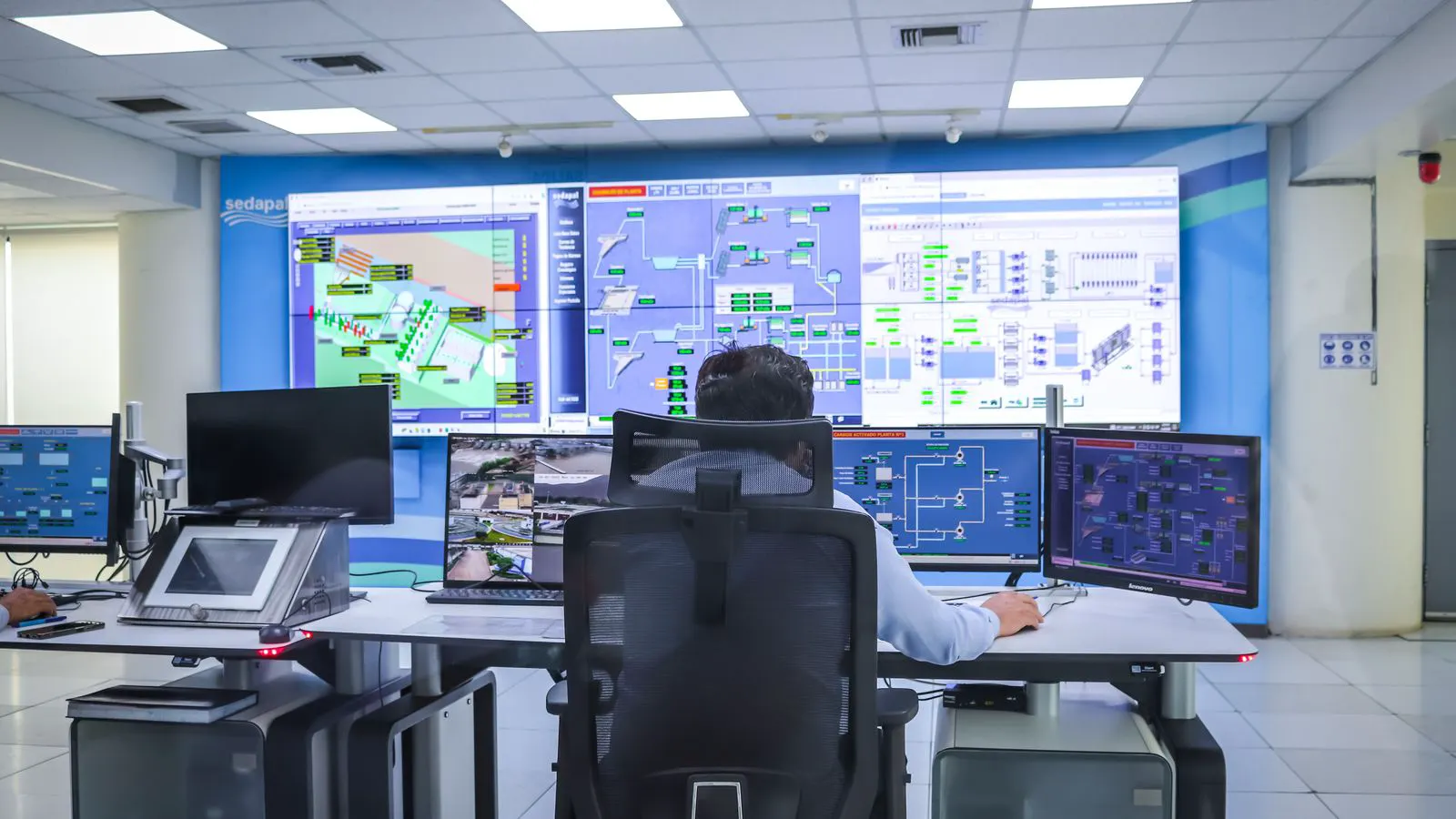
Printing automation costs change how press rooms manage labor, energy, and maintenance. This outlook identifies five shifts buyers should plan for and practical steps to prepare. It helps you evaluate long-term operating expense without relying on outdated digital versus offset assumptions.
- Automation costs move spend from hourly labor to capital and maintenance.
- Future operating cost depends on how well press rooms integrate data.
- Buyers should prepare for shorter training cycles and more frequent software updates.
- Energy management becomes a visible line item in automated facilities.
- Planning requires tracking labor, consumables, downtime, and software together.
Where automation spending actually lands
Print buyers often treat printing automation costs as a single line item. In practice, the expense splits into several distinct areas. Capital outlays cover presses, ink systems, registration sensors, and software. Operating expense shifts from hourly labor toward maintenance contracts, energy, and data management.
A typical press room upgrade changes where money flows. The operator who previously adjusted ink keys and registration by hand now reviews alerts on a screen. The cost of that adjustment drops. The cost of the sensor network, the software license, and the technician who maintains it rises.
The shift is not binary. Many plants run hybrid setups where manual checks still happen. The real question is how long-term operating expense changes as automation takes over more tasks.
Shift one: labor model changes
The most immediate change is in the labor model. Automated presses reduce the number of operators needed per shift. They also change the skill mix.
Instead of multiple operators rotating through setup, make-ready, and production, one experienced operator may manage several machines. The work moves from physical adjustments to monitoring, troubleshooting, and data review.
This has two consequences. Labor cost per job can fall. At the same time, the value of each remaining operator rises. If a plant replaces three operators with one and no support, the remaining person can become a bottleneck.
Buyers should plan for a phased approach. Keep experienced operators during the transition. Use their knowledge to define which tasks remain manual and which become automated. This reduces the risk of over-automating before the team is ready.
Shift two: maintenance becomes more specialized
Automated presses depend on more components that need attention. Registration systems, ink measurement devices, and control software all require regular checks. The failure modes also change.
A misregistered print can be fixed by adjusting a press cylinder. A software fault can stop a line even when the mechanical parts are sound. The maintenance skill set shifts from purely mechanical to a blend of mechanical, electrical, and digital.
This affects operating cost in two ways. Maintenance contracts may cost more because they cover more systems. Downtime becomes more costly because a software issue can halt production without obvious mechanical damage.
A practical step is to map maintenance tasks by system. List which items need daily checks, which need weekly calibration, and which require annual service. This makes it easier to budget for maintenance and to identify which vendors are responsible for which failures.
Shift three: energy becomes more visible
Energy use has always been part of operating cost, but automation makes it easier to track and control. Modern press rooms can measure power draw by machine, by shift, and by process.
This visibility changes behavior. Operators can see when a machine idles, when a dryer runs unnecessarily, or when a press sits underloaded. They can also adjust settings to match actual demand.
The savings may not be dramatic in every plant. They are usually incremental. But when energy prices are volatile, even small reductions matter. More importantly, energy data helps buyers compare machines and shifts.
Buyers should ask about energy reporting capabilities before purchase. If the machine does not provide useful energy data, the plant may miss opportunities to reduce cost.
Shift four: consumables and quality control
Automation changes how consumables are managed. Ink, water, and other chemicals can be tracked more accurately when machines measure usage in real time. This reduces waste and makes ordering more predictable.
Quality control also improves. Automated inspection systems can catch registration drift, ink density problems, and color shifts before they reach the customer. This reduces rework and scrap.
The operating cost benefit here is not just lower consumable spend. It is also lower cost of poor quality. Rework consumes labor, time, and materials. Catching errors earlier reduces all three.
A useful planning step is to define quality metrics before automation. Decide which defects matter most and how often they should be checked. This prevents the plant from collecting data that no one uses.
Shift five: data and software costs
The least obvious part of printing automation costs is software. Many buyers focus on hardware and labor, but software licensing, updates, and integration can add up over time.
Modern press systems generate data on every run. That data can be used to improve performance, but it also creates ongoing costs. Software updates may require new licenses. Integration with other systems may require additional services.
This is where long-term planning matters. A machine that looks affordable at purchase may become expensive if the software ecosystem is poorly understood. Buyers should ask about update cycles, support contracts, and data ownership.
A simple table helps organize these considerations. The table below shows common cost areas and how automation changes them.
| Cost Area | Traditional Approach | Automated Approach |
|---|---|---|
| Labor | Multiple operators per shift | Fewer operators with higher skill requirements |
| Maintenance | Mechanical focus | Blend of mechanical, electrical, and digital |
| Energy | Tracked by meter or estimate | Measured by machine and process |
| Consumables | Estimated usage | Measured and tracked in real time |
| Quality | Manual inspection | Automated inspection and data logging |
| Software | Minimal or none | Ongoing licensing, updates, and integration |
How to prepare your press room
Preparation does not mean replacing everything at once. It means creating the conditions for automation to deliver value.
-
Audit current operating cost. Break down labor, energy, consumables, maintenance, and quality-related costs for a typical month. This gives a baseline to measure improvement against.
-
Identify bottlenecks. Look for tasks that consume the most time or cause the most downtime. Automation often pays off most where these bottlenecks exist.
-
Assess data readiness. Can the plant store and use the data that automated machines generate? If not, plan for basic data infrastructure before buying the machines.
-
Plan the labor transition. Decide which roles remain, which change, and which are eliminated. Involve operators early. Their input on what works and what does not helps avoid costly mistakes.
-
Define maintenance strategy. Choose between in-house maintenance and vendor contracts. Make sure the chosen model covers the full range of systems, including software and sensors.
A practical planning framework
The simplest planning framework is to think in three time horizons.
Short term, focus on the first six months after installation. This is when setup, training, and initial calibration happen. Expect higher labor demand as the team learns the new system. Budget for extra support from the vendor.
Medium term, look at the next two years. This is when the operating model stabilizes. Labor levels settle, maintenance routines become routine, and energy data starts to show patterns. This is the period when you should see the clearest changes in operating cost.
Long term, think about the full life of the machine. Software updates, component replacements, and potential upgrades will shape the cost curve. A machine that is efficient at purchase may require significant investment to remain competitive.
This framework helps buyers avoid two common mistakes. The first is expecting immediate savings. The second is assuming costs stay flat after the initial ramp-up. Both assumptions can lead to poor planning.
What to watch for in 2026 and beyond
The direction of printing automation is toward tighter integration. Presses are becoming part of a larger system that includes design, production, quality, and delivery. This integration changes operating cost in subtle ways.
One trend is the growing importance of remote monitoring. Vendors can now diagnose issues from a distance. This can reduce downtime and maintenance travel. It also raises questions about data access and support.
Another trend is the standardization of data formats. As machines from different vendors begin to speak to each other, plants can build more flexible production lines. This flexibility can reduce idle time and improve scheduling.
A third trend is the continued shift from manual inspection to automated quality control. This reduces the need for physical inspection staff but increases the need for people who can interpret data.
Buyers should watch these trends without overreacting. The goal is to adopt automation where it delivers clear value in operating cost, labor efficiency, and quality. The best outcomes come from careful planning, not from rushing to replace every manual process.
Final check before you commit
Before finalizing any automation investment, run a simple check. List the five areas where operating cost is highest in your current setup. For each area, identify which automation features would reduce that cost. Then ask whether the machine you are considering actually provides those features.
This check keeps the conversation practical. It moves the discussion from general claims about efficiency to specific changes in your own operating model. It also makes it easier to compare options and to negotiate support terms.
The result is a clearer picture of how printing automation costs affect long-term operating expense. The numbers will vary by plant, but the direction is consistent. Automation shifts cost from labor and manual error toward capital, software, and specialized maintenance. Understanding that shift is the first step to planning for it.
Frequently asked questions
How do printing automation costs change labor expense?
Automation typically reduces the number of operators needed per shift. It also changes the skill mix, requiring operators to manage monitoring, troubleshooting, and data review rather than manual adjustments.
What is the biggest hidden cost in automated press rooms?
Software licensing, updates, and integration often add up over time. These costs are easy to overlook at purchase but can become significant during the full life of the machine.
Can automation reduce energy costs?
Yes, when energy use is measured and managed. Automated systems can track power draw by machine and process, making it easier to reduce idle time and adjust settings to actual demand.
How should buyers plan the labor transition?
Keep experienced operators during the transition and involve them in defining which tasks remain manual. This reduces the risk of bottlenecks and helps the team adapt to the new workflow.
What should be the first step in planning for automation?
Audit current operating cost by breaking down labor, energy, consumables, maintenance, and quality-related costs. This baseline makes it easier to measure improvement after automation is installed.