Checklist: Calculating Press Payback for Import Machines
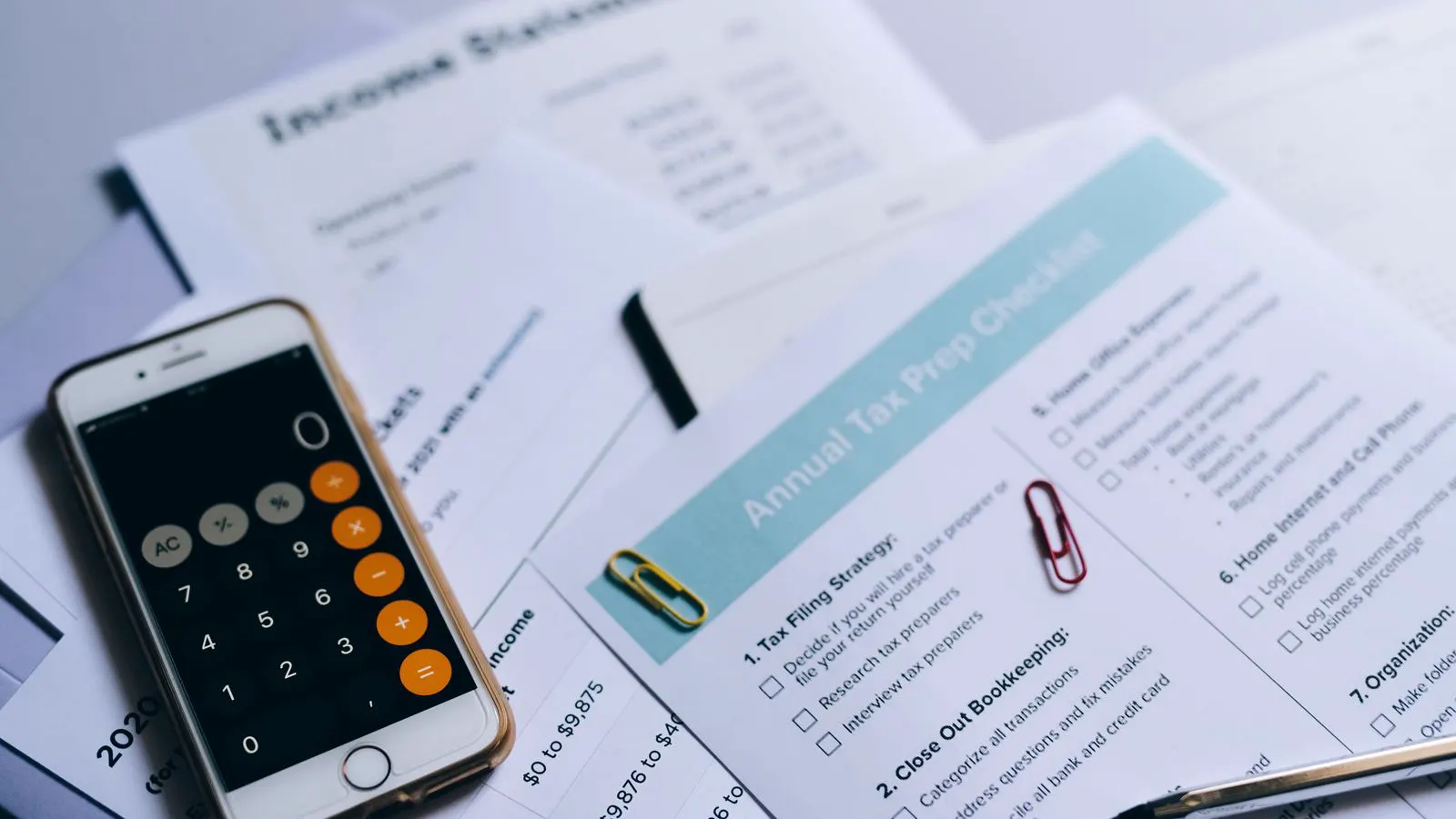
This checklist provides a step-by-step method to calculate press payback for imported equipment. It covers import costs, installation, financing, and operational variables to determine the break-even point accurately.
- Import costs and installation expenses often exceed the sticker price, distorting the base payback calculation.
- Financing terms directly change the monthly cash flow and the true time to break even.
- Variable job volume and energy rates must be modeled, not assumed, for an accurate return on investment.
- Hidden costs like spare parts, training, and customs duties can erode margins if left out of the model.
- A conservative scenario with lower job volume and higher energy rates is the safest benchmark for approval.
Imported printing machinery carries a longer financial tail than domestic equipment. Shipping, tariffs, and installation extend the initial outlay well past the machine itself. This checklist breaks the press payback calculation into distinct phases. It forces you to quantify each cost before comparing it against projected revenue. The goal is a defensible break-even number for your internal approval.
1. Quantify the True Acquisition Cost
The sticker price is only the starting point. You need to capture every dollar that leaves the bank to get the machine to the factory floor.
- Machine base price: Confirm the factory price, including the specific configuration. Verify that all requested options are itemized in the proforma invoice.
- International freight: Get a firm quote for the route, including handling, packing, and port fees. Air freight saves time but adds significant cost. Sea freight requires longer lead time planning.
- Customs and duties: Request a tariff classification from the supplier. Calculate the applicable duty rate for your country of import. Add any value-added tax or similar levies.
- Insurance: Include transit insurance that covers damage or loss during the journey. This is often a small percentage of the machine value.
- Local delivery: Plan the move from the port or airport to your facility. Consider whether a heavy-lift truck or crane is needed for the final mile.
Red Flag: If the supplier quotes the machine price but leaves freight and duties as “to be advised,” your payback model is incomplete. Do not finalize the ROI calculation until these figures are locked in.
2. Calculate Installation and Commissioning Expenses
The machine does not print until it is installed. This phase requires capital and labor.
- Foundation and floor prep: Concrete work, leveling, and structural reinforcement are common costs. Web presses often require reinforced concrete slabs.
- Utilities connection: Electrical upgrades, compressed air lines, and water connections. Check if your existing capacity is sufficient or if a panel upgrade is needed.
- Drying and finishing: If you are buying a press that requires hot air dryers or ink fountains, budget for the auxiliary equipment. Refer to the budgeting checklist for installation and drying to ensure you capture these items.
- Supplier engineer travel: The manufacturer usually sends engineers for setup. Verify if their per diem and accommodation are included in the quote or billed separately.
- Commissioning time: Factor in the downtime during setup. The machine is not generating revenue during this period.
Red Flag: A low installation fee often hides high labor costs for your own staff. If your team lacks experience with the specific brand, training time will add to the cost.
3. Model Financing and Cash Flow
How you pay changes the payback period. A lump sum payment reduces interest expense but ties up working capital.
- Down payment: A larger upfront payment lowers the loan amount. Calculate the interest saved versus the cost of holding that cash.
- Loan terms: Compare interest rates and repayment periods. Shorter terms increase monthly payments but reduce total interest. Longer terms lower monthly payments but extend the payback period.
- Lease options: Some suppliers offer leasing. This shifts the cost from a balance sheet asset to an operating expense. It may improve short-term cash flow but does not build equity.
- Currency risk: If the loan is in a foreign currency, exchange rate fluctuations can increase the effective cost. Consider hedging strategies if your local currency is volatile.
Red Flag: Do not use the machine price alone to calculate financing. Use the total landed cost, including installation, as the principal amount. Ignoring installation costs inflates the loan and the interest expense.
4. Define Revenue and Volume Assumptions
Your press payback depends on how much the machine prints. Use historical data or firm contracts, not guesses.
- Job mix: Break down expected work by product type, sheet size, and color count. Different jobs have different margins and speed requirements.
- Run speed: Use conservative speed estimates. A press may be rated for 10,000 sheets per hour, but average speed is often lower due to breaks, changes, and quality checks.
- Utilization rate: Calculate the percentage of available time the press will actually run. Account for maintenance, training, and setup.
- Margin per run: Determine the profit per impression. Include material costs, labor, and overhead. Do not just look at gross revenue.
Red Flag: Assuming maximum capacity for the first year is a common mistake. New equipment has a learning curve. Use a ramp-up model for the first two quarters.
5. Factor in Operating Costs
Operating costs vary by job volume and energy rates. These expenses directly reduce the net cash available for payback.
- Ink and consumables: Estimate usage based on the job mix. High ink coverage jobs consume more materials.
- Energy: Calculate the power draw of the press and auxiliaries. Multiply by your local utility rate. If you are in a region with rising energy costs, use a projected rate, not the current one.
- Maintenance: Plan for preventive maintenance and routine parts. Refer to the troubleshooting guide for high ink consumption to identify areas where waste can be reduced.
- Spare parts: Budget for a small inventory of critical spares. Waiting for a replacement can stop production.
- Training: Account for the time your operators spend learning the machine. This is a real cost in labor hours.
Red Flag: Ignoring energy costs is a major error. A press with a high power draw can have a much higher operating cost than a comparable model. Check the energy utility explainer to understand how rates affect total cost of ownership.
6. Build the Payback Model
Combine all costs and revenue into a simple table. This makes the break-even point visible.
| Cost Item | Estimated Amount | Timeframe |
|---|---|---|
| Machine Base Price | High | Upfront |
| Freight and Insurance | Medium | Upfront |
| Duties and Taxes | Medium | Upfront |
| Installation and Utilities | Medium | Month 1 |
| Training and Commissioning | Low | Month 1 |
| Spare Parts Inventory | Low | Month 1 |
| Total Initial Outlay | High | Month 0-1 |
Red Flag: Do not spread initial costs over time in the payback calculation. They are sunk costs before the first sheet prints. Only operating costs and revenue are monthly.
7. Stress Test the Scenario
The base case is rarely the worst case. Test the model against realistic risks.
- Low volume scenario: What if job volume is 20 percent below expectation?
- High energy scenario: What if utility rates rise 10 percent?
- Long downtime: What if the press is down for an extra week in month two?
- Price pressure: What if your average selling price drops due to competition?
Red Flag: If the payback period exceeds your target threshold in the low-volume scenario, the investment is too risky. Do not proceed without mitigating factors, such as a pre-sold contract or a lower financing rate.
8. Document and Approve
The final step is to present the numbers clearly to stakeholders.
- Create a one-page summary: Include total cost, monthly net cash flow, and break-even month.
- List assumptions: State your volume, speed, and margin assumptions clearly.
- Identify risks: Highlight the main variables that could delay payback.
- Get sign-off: Ensure finance and operations agree on the model before the purchase order is issued.
Red Flag: If the model relies on unverified assumptions, do not approve the purchase. Go back and gather better data. A press payback estimate built on hope is not a business case.
The press payback calculation is a tool for decision-making. It does not predict the future, but it shows where the money goes and when you get it back. Use this checklist to build a defensible number. Then make the call.
Frequently asked questions
Can I calculate press payback if I do not have firm job volume data?
Yes, but use a conservative range. Model a low, base, and high volume scenario. If the low scenario still meets your target, the investment is safer.
Should I include the cost of a new building in the payback calculation?
No, unless the building is built solely for the press. If the building serves multiple machines, allocate only the incremental cost to this project.
How long should I use for the payback period?
Use the time it takes to recover the initial cash outlay. For imported machines, this is often longer than for domestic models due to freight and installation.
Does financing a press change the payback period?
Yes. Financing changes the monthly cash outflow. A longer loan term lowers the monthly payment, which can increase the payback period. A shorter term does the opposite.
Is it better to buy the machine or lease it for payback?
Buying usually has a shorter payback period because you own the asset and benefit from depreciation. Leasing shifts the cost to an operating expense, which may help cash flow but does not build equity.