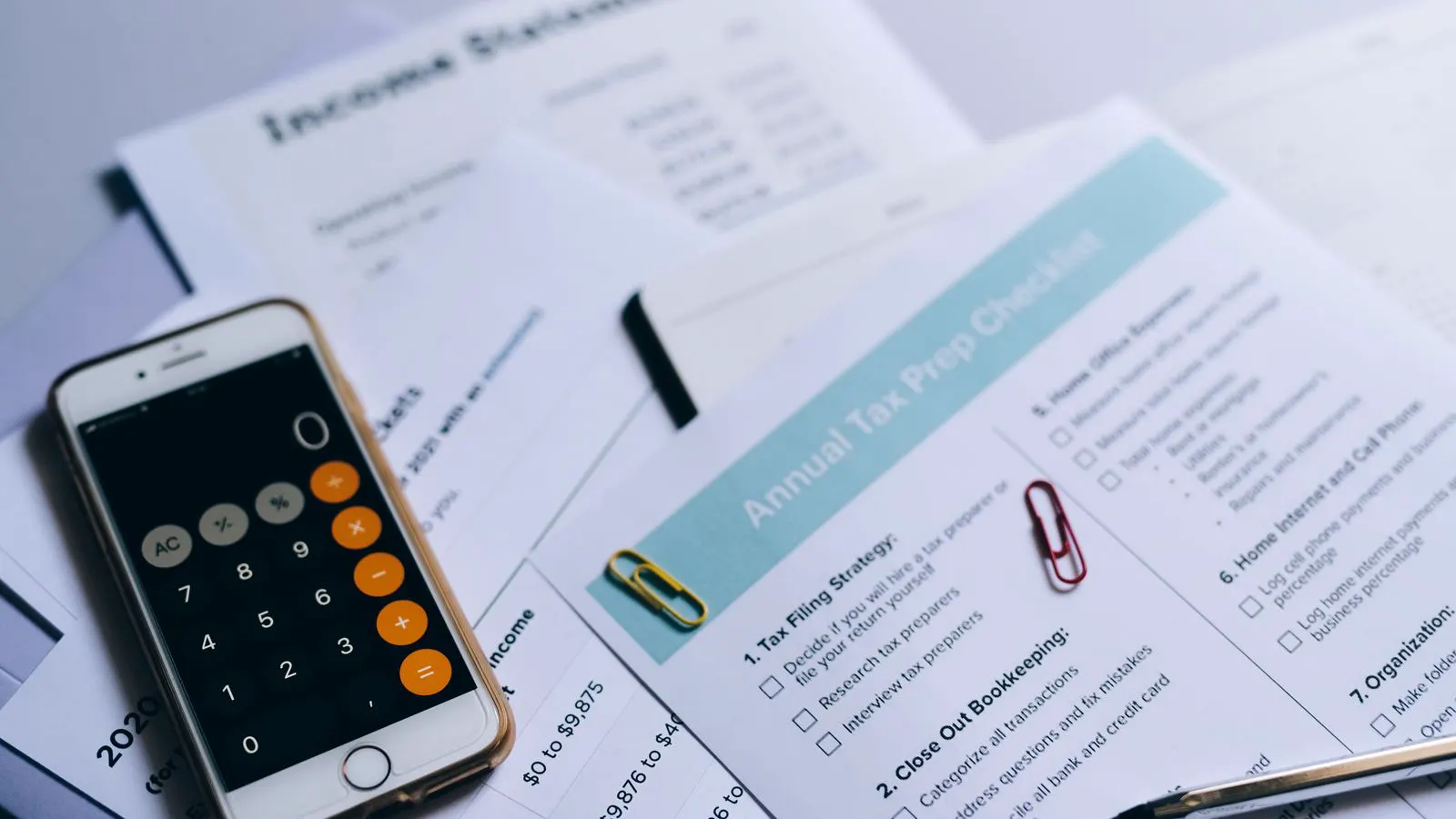
How to Calculate Total Cost of Ownership for Press Lines
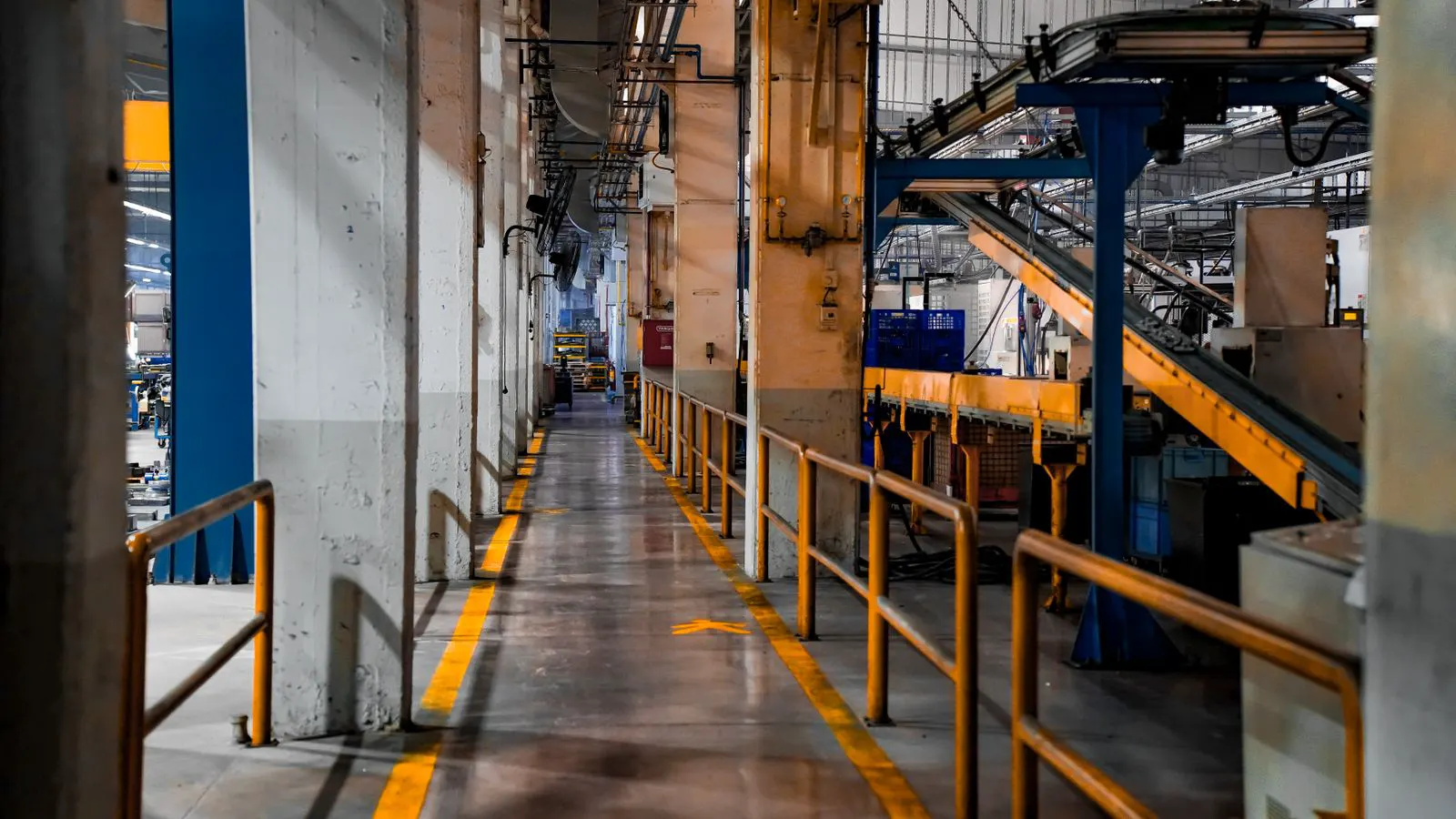
Total cost of ownership for press lines includes purchase, installation, energy, maintenance, materials, labor, downtime, and disposal. This step-by-step method uses a clear TCO calculation formula to estimate lifetime press operating costs beyond the initial price.
- Total cost of ownership for press lines must cover purchase, installation, energy, consumables, maintenance, labor, downtime, and disposal.
- Use a simple formula: purchase plus installation plus operating costs over useful life plus disposal minus residual value.
- Keep inputs in one consistent currency and time period to avoid mixing monthly and annual figures.
- Verify the TCO calculation by checking units, depreciation method, downtime assumptions, and sensitivity to volume changes.
What a Press Line TCO Calculation Actually Includes
Total cost of ownership for a press line is not the invoice price. It is the full lifetime expense of running that line from delivery to decommissioning. The purchase price usually covers the machine only. The rest comes from energy, consumables, maintenance, labor, downtime, installation, and eventual disposal or resale.
A useful TCO calculation separates costs into three groups: initial costs, recurring operating costs, and terminal costs. Initial costs include purchase, shipping, installation, calibration, operator training, and any required utilities or structural changes. Recurring costs include electricity, water, ink, paper, make-ready, maintenance, filters, bearings, belts, labor, and downtime. Terminal costs include disposal, recycling, deinstallation, or the reduction in residual value if the line is sold.
The goal is not a perfect forecast. It is a defensible number that lets you compare options on a common basis.
What You Need Before You Start
Before running the numbers, gather a small set of inputs. You need the purchase price, the expected useful life, and the annual production volume. You also need energy rates, material costs, maintenance intervals, labor rates, and downtime assumptions.
Use one currency. If the press is bought in one currency and your factory runs in another, convert using a rate that matches your planning period. Do not mix monthly energy bills with annual maintenance contracts without converting them first.
Write down the assumptions. If you estimate 250000 impressions per year, say so. If you assume 8 percent downtime, say that. The TCO calculation is only as good as the inputs behind it.
Step 1: Record the Purchase and Installation Cost
Start with the base purchase price. Add shipping, import duties, unloading, and any required foundations or floor reinforcement. If the line needs a new electrical cabinet, compressed air line, or water treatment unit, include those items.
Reason: Installation costs are often ignored at first, then they appear as surprise line items. Capturing them early keeps the total cost of ownership honest.
If the seller offers an installation package, list it separately from the machine price. That separation helps you compare later if you move the line or sell it.
Step 2: Estimate Annual Energy and Utility Consumption
Estimate the annual energy use for the press line. Include electricity for the drive units, inking systems, heating, cooling, and any auxiliary equipment. Water and compressed air belong here if they are significant.
Reason: Energy is a recurring operating cost that compounds over the useful life. A small difference in annual kWh can become a large difference over ten or fifteen years.
Use the press manufacturer data sheet if available. If not, use the actual energy draw of a similar line in your plant. If you run multiple shifts, multiply the single-shift consumption by the number of shifts and adjust for idle periods.
Step 3: Estimate Consumable and Material Costs
Add ink, paper, make-ready, cleaning solvents, filters, and other consumables. For a web offset press, include paper web cost, ink cost per impression, and make-ready materials. For a digital press, include toner or ink cost per impression and media cost.
Reason: Press operating costs are driven heavily by consumables. If you underestimate ink or paper, your TCO calculation will understate the true cost.
Use a per-impression unit cost where possible. Multiply by the annual impression volume. If you only have per-job estimates, convert them to impressions using the job mix you expect.
Step 4: Estimate Maintenance and Downtime Costs
Add preventive maintenance and corrective maintenance. Include scheduled ink duct cleaning, blanket replacement, bearing lubrication, belt replacement, and major service visits. Add the cost of unplanned downtime, which includes lost production, overtime, and expedited parts.
Reason: Downtime is expensive and often hidden in budget spreadsheets. A line that stops for two hours a week can cost more in lost revenue than the maintenance contract itself.
Reason: Maintenance and downtime are closely tied. A well-maintained line usually has fewer failures, but the upfront cost is higher. The TCO calculation should reflect that trade-off.
A simple approach is to use a maintenance cost per impression or per hour of operation. If you have service records from a similar line, use them. If not, use a general range and flag the assumption.
Step 5: Estimate Labor and Supervision Costs
Add the labor cost for operators, maintenance technicians, and any dedicated production supervisor. Include wages, benefits, and overtime if the line runs extended shifts.
Reason: Labor is a recurring cost that scales with production volume and shift patterns. A press line that runs one shift is not the same as one that runs two or three shifts.
If the same operator covers multiple lines, allocate a portion of the labor cost to each line. Do not double-count the same person across multiple TCO calculations.
Step 6: Add Depreciation and Financing Cost
Depreciation is not a cash outflow, but it is part of total cost of ownership when you are comparing long-term ownership against leasing or renting. Use your company depreciation method. If you do not have a method, use straight-line over the useful life.
Reason: Depreciation allocates the purchase cost over the useful life. It is useful for comparing a purchase against a lease when the lease includes maintenance or service.
If the line is financed, add interest cost. Do not include the full loan amount as a separate cost if you are already counting the purchase price. The purchase price is the asset value. Interest is the financing cost.
Step 7: Estimate Terminal and Disposal Costs
Add the cost to decommission, remove, recycle, or resell the line at end of life. Include deinstallation, shipping, environmental disposal of used ink or solvents, and any penalty fees. If you expect to sell the line, subtract the expected residual value.
Reason: Disposal costs are small in the early years but real at the end. A line with high residual value reduces the total cost of ownership. A line with high disposal cost increases it.
If the line will be sold, use a conservative residual value. Do not assume you will sell at full value after fifteen years.
Step 8: Apply the TCO Formula
Use this formula:
Total cost of ownership equals purchase price plus installation plus annual operating cost multiplied by useful life plus terminal cost minus residual value.
Annual operating cost equals energy plus consumables plus maintenance and downtime plus labor plus financing cost.
Reason: The formula forces you to put every cost into one place. It also makes the calculation easy to audit.
If you are comparing two lines, run the same formula for each. Keep the useful life, production volume, and discount rate the same unless you have a reason to change them.
Step 9: Run a Sensitivity Check
Change a few inputs and see how the total cost of ownership changes. Increase annual impressions by 10 percent. Increase energy cost by 15 percent. Increase downtime by 2 hours per week. Recalculate each time.
Reason: TCO calculations are sensitive to assumptions. A small change in volume or downtime can change the ranking of two options.
Reason: Sensitivity checks reveal which input matters most. If energy is the biggest driver, your energy estimate needs more care. If downtime is the biggest driver, your maintenance plan needs more attention.
Common Mistakes in TCO Calculation
The most common mistake is to compare purchase price only. A cheaper press can be more expensive over ten years if it uses more energy, has higher ink consumption, or needs more maintenance.
Another mistake is mixing time periods. If you use monthly energy cost but annual labor cost, the formula will be wrong. Convert everything to annual figures before multiplying by the useful life.
A third mistake is ignoring make-ready. Make-ready is time, not just material. If a line takes longer to change jobs, the total cost of ownership rises even if the ink and paper cost is the same.
Final Verification Step
Before you use the number, check four things. First, check units. Every cost is in the same currency and the same time period. Second, check the useful life. Every line item is multiplied by the same number of years. Third, check the production volume. Every per-impression cost is multiplied by the same annual impression count. Fourth, check the terminal value. Residual value is subtracted only once, and disposal cost is added only once.
If any of these checks fail, fix the spreadsheet before comparing options. A TCO calculation that passes verification is a number you can defend in a budget meeting.
How to Use This Number in a Budget
Once you have the total cost of ownership, compare it to the payback period and the cost per impression. If the TCO is higher than expected, look at the drivers. Energy, consumables, and downtime are usually the most adjustable items. You can reduce energy by adjusting the press schedule. You can reduce consumables by improving job mix or make-ready. You can reduce downtime by improving maintenance.
The TCO calculation is not a one-time exercise. Update it when prices change, when the production volume changes, or when the line is sold or replaced. A living TCO number is more useful than a static one.
Table: Main Cost Components in a Press Line TCO Calculation
| Cost Component | Typical Items | Why It Matters |
|---|---|---|
| Purchase and installation | Machine, shipping, foundation, electrical, calibration | Sets the base asset value and initial cash outflow |
| Energy | Electricity, water, compressed air, heating | Recurring cost that scales with production hours |
| Consumables | Ink, paper, make-ready, filters, solvents | Direct material cost per impression |
| Maintenance and downtime | Service visits, parts, lost production | Affects reliability and lifetime cost |
| Labor | Operators, technicians, supervisor | Scales with shifts and production volume |
| Terminal cost | Deinstallation, disposal, residual value | Reduces or increases final lifetime cost |
Frequently asked questions
How many years should I use for the useful life of a press line?
Use the life your company expects to run the line before replacement or sale. Many companies use ten to fifteen years, but the number should match your depreciation policy and production expectations.
Should I include operator wages in the TCO calculation?
Yes, if the line requires dedicated labor. If the same operator covers multiple lines, allocate a share of the wage cost to each line so you do not double-count.
Can I use a lease as the purchase price in the TCO formula?
Only if the lease structure matches the ownership cost you are comparing. A lease usually includes maintenance or service, so you must adjust the maintenance line so the total comparison is fair.
Do I need to discount future costs to present value?
It is more accurate to discount, especially for long useful lives. If you are making a simple internal comparison, you can use undiscounted annual costs, but be consistent across all options.
How do I handle a press line that will be sold before the end of its useful life?
Use the expected sale year instead of the full useful life. Reduce the annual operating cost multiplication to the number of years you expect to own it, and subtract the expected resale value at that point. ===END===