Comparison: TCO of Digital vs Offset for Small Runs
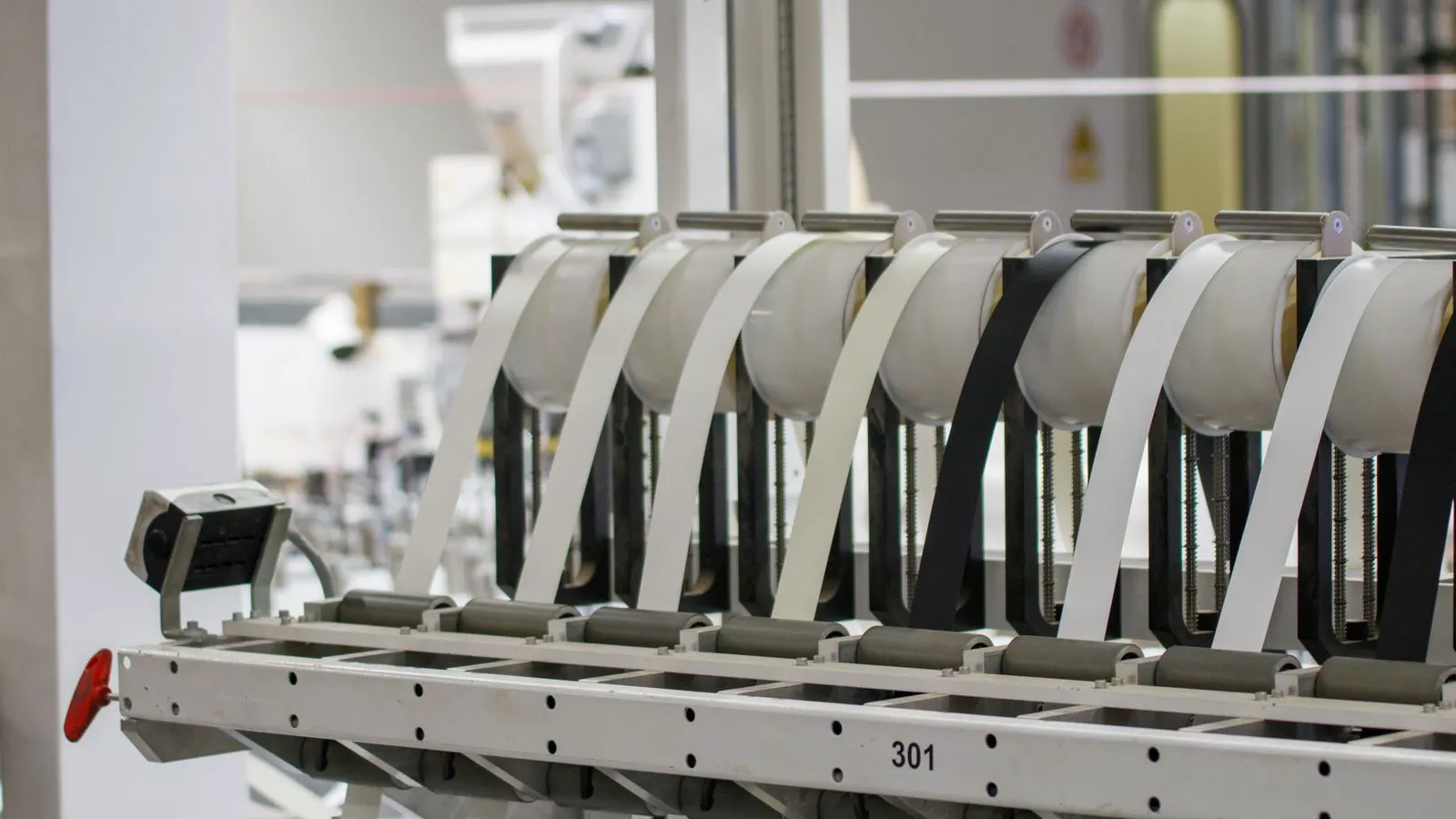
Digital printing typically offers a lower digital vs offset TCO for small runs due to minimal setup costs and faster turnaround. Offset wins on long runs where per-unit costs drop. The best choice depends on job volume, quality needs, and material type.
- Digital presses have low setup costs, making them cheaper for short runs and variable data.
- Offset presses have high setup costs but a lower cost per page on long runs.
- Total cost of ownership includes consumables, maintenance, and energy, not just the machine price.
- For small runs, digital usually wins on cost and speed unless color and finish requirements are extreme.
How to Structure the Comparison
When buying printing machinery for short jobs, the purchase price is only part of the story. Buyers often focus on the sticker price, then get surprised by the operating costs that appear in the first month. The digital vs offset TCO analysis must cover every line item that affects the bottom line.
The comparison needs to cover three main cost blocks. The first is the capital cost, which includes the press, the finishing equipment, and the installation. The second is the setup and changeover cost, which includes plates, inks, and the labor to run the test. The third is the variable cost per unit, which includes ink, paper, and electricity.
Many buyers miss the hidden costs. They forget that a digital press may need a different type of paper than an offset press. They forget that digital inks have a higher cost per kilogram than offset inks. They forget that a short run on offset still requires a plate set and a long test print.
To make a fair comparison, you need to define the job. A small run could be 500 copies or 5,000 copies. The break-even point is different for each. This article assumes a typical short run between 500 and 3,000 copies of a standard brochure or catalog.
Capital and Setup Costs
The capital cost is the price of the machine. Digital presses for short runs are generally priced lower than offset presses of the same speed. However, this gap is narrowing as digital technology improves.
The setup cost is where the digital vs offset TCO gap becomes clear. Offset requires plates. For a four-color job, you need four plates. You also need a test print to check registration and color. This takes time and labor. Digital printing skips the plates entirely. The file goes straight to the press.
The setup time also matters. A digital press can start producing in minutes. An offset press can take hours to reach a stable production speed. If you are paying a worker by the hour, that time difference adds to the TCO.
There is also the cost of the test sheet. On offset, you run a few sheets to check the inks. These sheets are wasted. On digital, the first sheet is often good enough to ship. This saves money on short runs.
Variable Costs per Unit
The variable cost per unit is the price of the ink, the paper, and the electricity. For digital, the ink cost per kilogram is higher than offset. The toner or liquid ink is more expensive. The offset inks are cheaper per unit of coverage.
However, the coverage matters. A digital press uses less ink to achieve the same look because it can control the density more precisely. Offset presses may waste more ink during the setup phase. The more you run, the more the offset ink cost drops.
The paper cost is the same for both, but the press may require different paper weights. Digital presses can handle a wider range of paper weights without damage. Offset presses may need a stiffer paper to avoid wrinkling. If you need a special paper, the cost difference can swing the TCO.
Electricity is a small part of the cost for a short run. However, over a year, it adds up. Digital presses often use less energy per page than offset presses because they do not have a large ink fountain to heat or circulate.
The Break-Even Point
The break-even point is the number of copies where the cost per unit becomes equal. For digital vs offset TCO, this number varies by job.
For a standard four-color brochure, the break-even is often in the low thousands. Below that number, digital is usually cheaper. Above that number, offset starts to win on cost.
The break-even point is not a fixed number. It changes with the job. A job with lots of text and light color coverage has a higher break-even point for offset because the ink cost is lower. A job with heavy color coverage has a lower break-even point because the digital ink cost is higher.
You can estimate the break-even point by taking the setup cost of offset and dividing it by the difference in the variable cost per unit. This gives you a rough number. You should use this number as a guide, not a rule.
Total Cost of Ownership Beyond the Press
The TCO includes more than the press. It includes the maintenance, the consumables, and the labor. A digital press usually needs less maintenance than an offset press. The offset press has more moving parts, more ink fountains, and more plates to change. The maintenance cost for offset is higher.
The consumables are a big part of the TCO. For offset, you need plates, inks, and cleaning solutions. For digital, you need toner or ink cartridges, and sometimes drums. The cost of the consumables affects the TCO directly.
Labor is another factor. A digital press can be run by one operator who also handles the finishing. An offset press may need two or three operators to manage the inks, the registration, and the drying. If labor is expensive, the digital press can save money on the short run.
There is also the cost of storage. Offset plates need to be stored. Digital files do not. If you have limited floor space, this can matter.
When to Pick Digital
Digital is the best choice when the run is short. If you are printing 500 to 2,000 copies, digital is usually the cheaper option. The setup cost is low, and the variable cost is manageable.
Digital is also best when the job changes. If you need to print 100 different versions of a brochure, digital is the only option. Offset would require ten sets of plates and ten long test prints. Digital can handle this in a single run.
Digital is good for small businesses and job shops that need flexibility. They can take on small jobs without tying up capital in a large offset press. They can also offer faster turnaround, which can justify a higher price per unit.
When to Pick Offset
Offset is the best choice when the run is long. If you are printing 5,000 or more copies, offset is usually cheaper. The per-unit cost drops as the run length increases.
Offset is also best for high-quality color work. Offset inks produce a different look than digital inks. For a catalog or a brochure that needs rich, saturated colors, offset may be the preferred choice.
Offset is good for large print shops that have a steady stream of long jobs. They can amortize the high setup cost over a long run. They can also use the offset press for other jobs when the short-run digital press is busy.
Final Comparison Table
The table below compares the main cost factors for a typical short run. This is a general guide. The actual numbers will vary by machine, job, and market.
| Option | Best for | Limitations |
|---|---|---|
| Digital Press | Runs under 3,000 copies, variable data, fast turnaround | Higher ink cost per unit, lower max speed, less color saturation |
| Offset Press | Runs over 5,000 copies, high-quality color, long runs | High setup cost, long changeover time, higher maintenance |
| Hybrid Setup | Mixed short and long runs, variable data plus long runs | Higher total capital cost, more complex workflow |
| Print-on-Demand | Single copies, personalized items, on-demand fulfillment | High cost per unit, limited paper stock, slower speed |
| Manual Digital | Very small runs, home office, low volume | Low speed, limited finishing options, higher per-unit cost |
How to Calculate Your Own TCO
To calculate your own TCO, you need to list every cost. Start with the capital cost. Add the installation and the training. Then add the setup cost for a typical job. Add the variable cost per unit for a 500-copy run and a 3,000-copy run.
Add the maintenance cost for a year. Add the cost of the consumables. Add the labor cost. Add the cost of the paper. Add the cost of the finishing.
Then divide the total cost by the number of copies. This gives you the cost per unit. Compare this number for digital and offset. The lower number is the cheaper option for that specific run.
You should also look at the ROI. The printing ROI is the profit you make on the job. If the digital press allows you to take on more jobs, the ROI is higher. If the offset press allows you to print at a lower cost, the ROI is higher.
Common Mistakes in TCO Analysis
The most common mistake is to compare only the purchase price. This ignores the operating costs and gives a false picture. A cheaper machine can be more expensive to run.
Another mistake is to ignore the setup time. If you are paying labor by the hour, the setup time adds to the TCO. A digital press that saves two hours of setup can save a lot of money on a short run.
A third mistake is to assume the paper cost is the same. Different presses use different papers. If you need a special paper, the cost difference can change the TCO.
A fourth mistake is to ignore the finishing. If you need to cut, bind, or fold the job, the finishing cost is part of the TCO. The press choice can affect the finishing cost.
The Bottom Line
The digital vs offset TCO depends on the run length and the job type. For small runs, digital is usually cheaper. For long runs, offset is usually cheaper. The best choice is the one that fits your specific needs.
If you print mostly short runs, digital is the better investment. If you print mostly long runs, offset is the better investment. If you print a mix, you may need a hybrid setup.
Look at the total cost of ownership, not just the purchase price. Look at the printing ROI, not just the cost per unit. Make the decision based on your actual jobs and your actual costs.
Frequently asked questions
How do I know if digital is cheaper than offset for my job?
Calculate the TCO for both options. Add the setup cost, the variable cost, and the labor cost. Compare the total cost per unit. If digital is lower, it is cheaper for that job.
What is the break-even point for digital vs offset?
The break-even point is the number of copies where the cost per unit is equal. It varies by job, but it is often in the low thousands for standard brochures.
Does the type of paper affect the TCO comparison?
Yes. Different presses may require different paper weights. If you need a special paper, the cost difference can change the TCO.
How does labor cost affect the digital vs offset TCO?
Labor cost is a big part of the TCO. A digital press can be run by one operator. An offset press may need two or three. If labor is expensive, digital can save money.
Can I use a digital press for long runs?
Yes, but it is usually more expensive than offset for long runs. The variable cost per unit is higher. The setup cost is low, but the ink cost adds up over time.