Buying Guide: Financing Models for New Press Investments
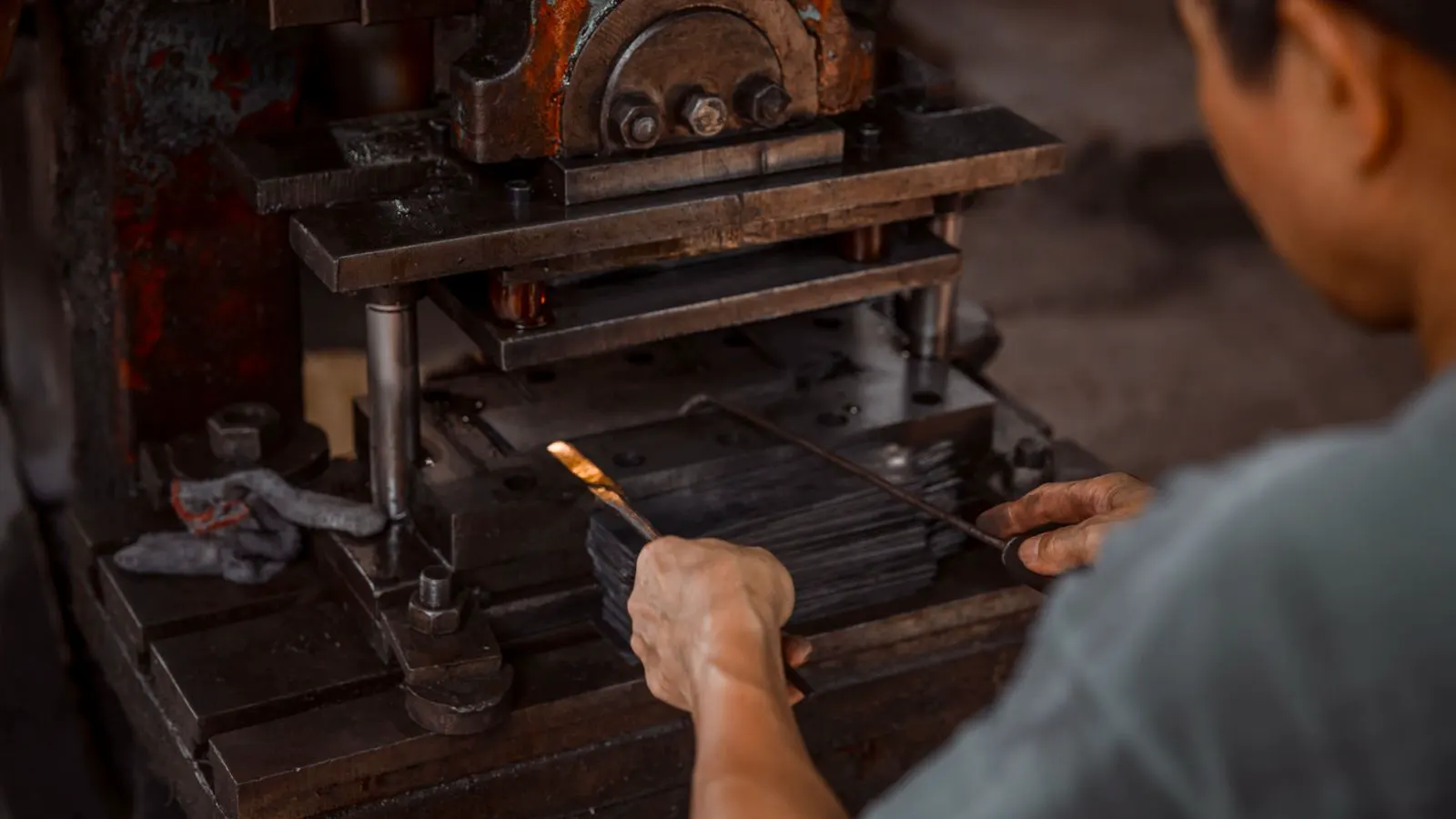
Press financing options vary by term length, interest structure, and risk allocation. Equipment loans offer fixed payments, while leases can reduce upfront costs. The right model depends on cash flow, asset life, and total cost of ownership.
- Equipment loans provide predictable monthly payments and full ownership, but require higher upfront capital or credit.
- Operating leases shift maintenance and risk to the vendor, which can be advantageous for short-term capacity needs.
- Total cost of ownership includes interest, maintenance, and depreciation, not just the sticker price.
- Match the financing term to the expected useful life of the press to avoid overpaying on a depreciating asset.
- Validate the purchase against job volume data before committing to a long-term loan or lease.
How press financing structures differ
Press financing is not a single product. It is a set of financial arrangements that change the risk, timing, and total cost of a new press purchase. The two most common models are equipment loans and operating leases. An equipment loan is a traditional debt instrument. You borrow a fixed sum, pay it back over a set term, and own the machine from day one. The monthly payment covers principal and interest. The total interest paid depends heavily on the term. A shorter term reduces the interest burden but increases the monthly payment. A longer term spreads the cost but locks you into higher total interest.
Consider a digital press purchase. If you finance it over five years, your monthly payment will be significantly higher than if you finance it over ten years. However, the total amount you pay to the lender will be lower in the five-year scenario. The trade-off is immediate. Cash flow suffers in the short term, but the overall cost of capital is reduced. This structure suits businesses with strong working capital reserves or those expecting rapid payback from new production lines. It also gives the buyer full control over maintenance scheduling and end-of-life disposition.
An operating lease functions differently. You pay a periodic fee for the right to use the press. The vendor retains ownership. In many operating leases, the vendor handles major maintenance and end-of-term disposal. This structure lowers the initial cash outlay. It can also be easier to justify in an annual budget because the expense sits in operating costs rather than capital expenditures. For example, a commercial printer facing a tight Q4 budget may prefer a lease. The expense is recorded as an operating cost, which often has fewer approval hurdles than a large capital expenditure. The press is used for the term, and the vendor manages the asset’s lifecycle.
Capital leases or finance leases sit between these two. You pay for the use of the machine, but the structure is designed to transfer ownership risk to the lessee. You account for the asset on your balance sheet and depreciate it. The payments are structured to cover the cost of the machine plus interest. This model mimics a loan for accounting purposes but comes with lease documentation. It is often chosen when the buyer wants the tax benefits of depreciation without the full immediate cash outlay of a loan, or when the lender requires specific collateral protection.
What to check before choosing a model
Before talking to a lender or vendor finance arm, define the parameters of the investment. The machine price is only one number. You need the total cost of ownership, which includes installation, training, initial consumables, and the first year of maintenance. A press installation is rarely just a delivery. It involves floor leveling, utility connections, network configuration, and often a temporary production stoppage. These costs can add a significant percentage to the sticker price.
Next, look at your cash flow. If you have strong operating cash flow, an equipment loan may be the cleanest option. You own the asset, you control the maintenance schedule, and you can resell the press at the end of its life. If cash is tight, a lease may be more realistic. Check your current debt service coverage ratio. If your monthly press payment would consume a large portion of your free cash flow, a loan might create a liquidity crunch during slow production months.
Credit terms matter. Lenders look at your business credit, collateral, and payment history. A strong credit profile lowers the interest rate. A weaker profile may push you toward a vendor lease, where the vendor extends credit based on their relationship with you, not just your financials. Vendors often offer favorable lease terms to secure new installations. However, these terms may include higher long-term costs or restrictive exit options.
Review the collateral requirements for a loan. Some lenders accept the press itself as collateral. Others require a personal guarantee or additional assets. If the press is the only significant asset in your facility, the lender may view the risk as higher. This can lead to a higher interest rate or a shorter term, both of which affect the total cost.
How to evaluate the true cost of the machine
Do not compare the monthly payment as the primary metric. A longer term reduces the monthly cost, but the total amount paid over the life of the loan or lease is what you pay for the machine. A $1,000 monthly payment over 120 months costs $120,000. A $1,200 monthly payment over 60 months costs $72,000. The difference is substantial. Always calculate the total payment sum before making a decision.
Calculate the total cost by multiplying the monthly payment by the number of payments. Add any fees. For a loan, this total is your principal plus all interest. For a lease, this total is your total operating expense. Look for hidden fees. Prepayment penalties, late fees, and administrative fees can inflate the effective cost. A loan with a 2% prepayment penalty may be more expensive if you expect to pay it off early due to a business windfall.
Compare this total against the machine’s useful life. A press may last ten to fifteen years, depending on the model and usage. If you finance for seven years, you are paying interest on an asset that will still have life. If you finance for fifteen years, you may be paying interest on a machine that is nearing the end of its service life. The goal is to align the financing term with the period during which the press generates its highest return.
Depreciation affects the calculation. For a loan, you depreciate the asset over its useful life. For an operating lease, you expense the lease payments. For a capital lease, you depreciate the asset and the lease payments are split between interest and principal. The tax treatment changes the effective cost. Consult your accountant to model the after-tax impact. A higher interest expense can provide a tax shield, but a higher depreciation expense can reduce taxable income. The net effect depends on your corporate tax rate and the specific structure.
Criteria for choosing the best financing model
The table below outlines the key factors to weigh.
| Criterion | What to look for | Why it matters |
|---|---|---|
| Term length | Match the term to the asset’s useful life. | A term that is too long increases total interest. A term that is too short strains monthly cash flow. |
| Interest rate | Compare fixed versus variable rates. | Fixed rates provide predictability. Variable rates can shift with market conditions. |
| Ownership | Determine who owns the press at the end of the term. | Ownership allows resale value and full control. Non-ownership means the vendor handles disposal. |
| Maintenance responsibility | Check if major repairs are included. | Leases often cover maintenance. Loans leave you responsible for all costs. |
| Upfront capital | Look at the down payment or initial lease fee. | A high down payment reduces monthly payments but uses more cash. |
| Exit options | Review buyout, renewal, or return terms. | You need a clear plan for the asset at the end of the financing period. |
How to structure the investment budget
Investment budgeting for a new press requires separating capital costs from operating costs. Capital costs include the machine, installation, and initial setup. Operating costs include paper, ink, energy, labor, and maintenance. This separation is critical for cash flow planning. Capital costs are often one-time or front-loaded. Operating costs are recurring and predictable.
When you take on a loan, the principal is a capital cost. The interest is an operating expense. When you take on an operating lease, the entire payment is an operating expense. This distinction affects your balance sheet and your cash flow projections. A loan increases your debt on the balance sheet. An operating lease increases your operating liabilities. This affects your debt-to-equity ratio and may impact future financing options.
Build a model that shows the payment schedule over the life of the machine. Include a reserve for major repairs. Even if the lease covers maintenance, you will still have minor consumables and downtime costs. A press that stops for a day costs money in lost production. If you are running a short-run job, a two-day delay can void a customer contract. Factor in the cost of downtime when evaluating maintenance inclusions.
Do not forget the end of the term. If you own the press, you have a residual asset. You can sell it, trade it in, or keep it for a second life. If you lease, you return the machine. The lease agreement should state the condition requirements. Excessive wear and tear can lead to additional charges at return. Inspect the machine regularly during the lease term to avoid surprises.
A practical decision checklist
Use this checklist to move from analysis to decision.
- Define the expected job volume and revenue from the new press.
- Calculate the total cost of ownership, including installation and training.
- Determine the useful life of the specific press model.
- Choose the financing term that aligns with the useful life.
- Compare at least two financing options from different lenders.
- Review the interest rate structure and any prepayment penalties.
- Check the maintenance and warranty terms included in the contract.
- Verify the exit strategy for the asset at the end of the term.
- Confirm the tax treatment with your accountant.
- Validate that the monthly payment fits within your cash flow for at least two years.
The goal is to match the financial structure to the operational reality. A press that runs at high utilization justifies a longer term to lower the monthly payment. A press that will only run part-time may be better served by a shorter term or a lease that includes maintenance. If the press will sit idle for several months a year, the total cost of ownership will be higher relative to the revenue generated. This may point toward a lease, where the vendor bears the risk of the asset’s depreciation.
Avoid taking on more debt than the machine can generate. The ROI must be clear. If the job volume data does not support the purchase, no financing model will fix the problem. Validate the ROI against actual job volume before signing the paperwork. Look at your historical data. If your current press is at 80% capacity, a new press will likely face similar constraints unless you are expanding into new markets or products. Do not assume that a new machine will automatically increase revenue. The demand must be there.
The best press financing model is the one that balances cash flow, total cost, and asset control. It is not the one with the lowest monthly payment. It is the one that fits your business.
Frequently asked questions
What is the difference between a press loan and a press lease?
A press loan is a debt purchase where you own the machine and pay interest. A press lease is a rental where you pay a fee for use, and ownership stays with the vendor.
Which model has a lower upfront cost?
Operating leases typically have a lower upfront cost because they spread the expense over the lease term. Loans usually require a down payment or a larger initial capital outlay.
How does the term length affect the total cost?
A longer term reduces the monthly payment but increases the total interest paid over the life of the financing. A shorter term does the opposite.
Can I buy the press at the end of a lease?
Yes, many lease agreements include a buyout option. The price is usually set in the contract or calculated based on the machine's remaining value.
Does a lease help with depreciation?
Operating leases are expensed as they are paid. Capital leases require you to depreciate the asset on your balance sheet. The tax treatment differs between the two.