Outlook: Flexible Packaging Plate Technology
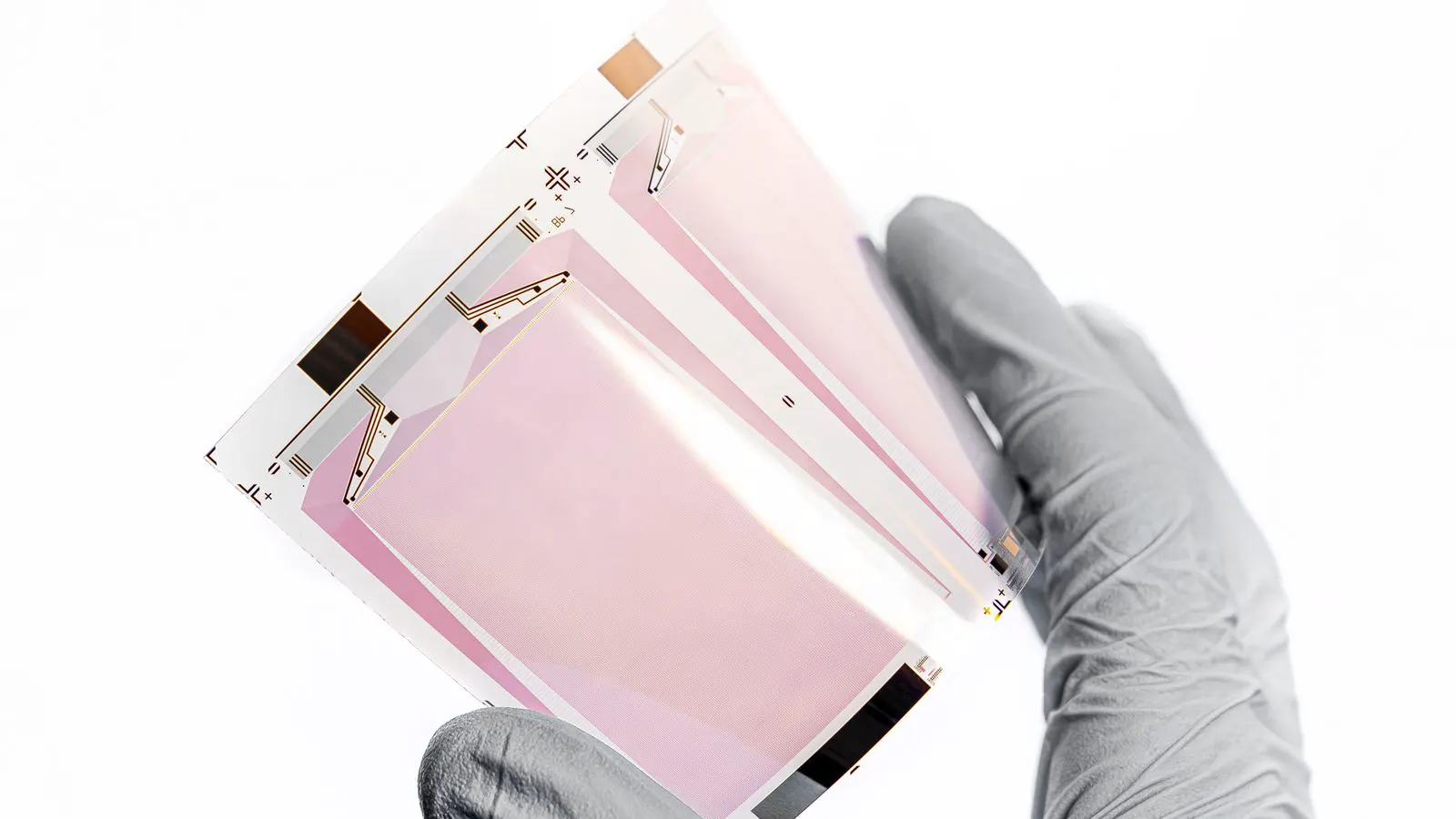
Flexible packaging plates are moving toward recyclable materials, shorter plate life cycles, and digital workflows. Procurement managers should plan for mixed-material sourcing, tighter supplier contracts, and regular audit protocols to manage costs and meet sustainability targets in packaging printing.
- Plate materials are shifting toward recyclable and lower-waste options, which changes waste handling and supplier requirements.
- Digital and short-run workflows are increasing demand for plates with shorter lifespans but faster turnaround.
- Procurement should build flexible contracts that allow for mixed-material sourcing and regular performance audits.
- Sustainability targets are pushing buyers to track plate waste, chemical usage, and supplier environmental data.
- Long-term supply planning requires monitoring substrate compatibility and ink chemistry changes, not just plate availability.
What is driving the change in flexible packaging plate technology?
Flexible packaging plates face pressure from three directions at once. Customers demand lower environmental impact. Substrates keep changing, and so do inks. Press speeds and print quality expectations continue to push plate makers to improve durability and detail.
For procurement managers, this means the plate is no longer a simple consumable. It is a variable that interacts with substrate, ink, press, and waste handling. A plate that works well on one laminated film may fail on another. A plate that prints cleanly with a water-based ink may not hold up with a solvent-based formulation.
The shift is not a single new product. It is a set of changes in materials, workflows, and supplier relationships. Buyers who plan for these shifts can keep production stable and meet sustainability targets. Buyers who treat plate technology as static will find gaps in supply, quality, or compliance.
How are plate materials changing?
The move toward sustainability is changing what plate makers use and how they process the material. Traditional flexible packaging plates have often used materials that are difficult to recycle. Newer approaches are moving toward materials that can be recovered or that generate less waste during manufacture.
This does not mean every plate will be fully recyclable in the near term. The change is more gradual. Some materials are easier to process in closed loops. Others reduce the amount of chemical waste at the plate shop. Some are designed for shorter life cycles but faster disposal or recycling.
Procurement teams should watch how plate makers describe their materials. Generic claims of “green” or “eco-friendly” are not enough. Useful information includes material type, recyclability, chemical usage, and end-of-life options. A supplier who can document these factors is easier to work with in the long run.
What is the impact on plate life and replacement cycles?
Plate life is one of the most practical factors for cost planning. A plate that lasts longer reduces replacement cost and downtime. A plate that lasts shorter may be cheaper per unit and faster to produce, which fits short-run and digital workflows.
The trend is not simply toward longer life. Some plate technologies are being designed for specific use cases. A plate for high-speed, high-volume packaging runs may be optimized for durability. A plate for variable data or short runs may be optimized for speed of production and ease of changeover.
Buyers should not assume that longer plate life is always better. In some cases, a shorter life plate reduces waste and makes it easier to switch designs. The question is whether the plate life matches the production pattern. A long-life plate is a good fit for stable runs. A shorter-life plate may be a better fit for frequent changes.
How are digital and short-run workflows changing plate demand?
Digital and hybrid workflows are changing the shape of plate demand. More packaging jobs are being run in shorter batches or with more design changes. This increases the number of plate sets and the variety of plate types needed.
For procurement, this means the plate catalog is not just a list of standard sizes. It is a mix of materials, thicknesses, and surface treatments. The same press may need different plates for different substrates or ink systems.
A practical step is to map the production mix. Identify which jobs are long runs, which are short runs, and which are variable data. Then match plate types to that mix. This helps avoid overstocking one type of plate while running out of another.
What sustainability requirements should buyers expect from suppliers?
Sustainability is moving from a marketing claim to a procurement requirement. Buyers are being asked to show how plate production and waste are managed. Suppliers are being asked to provide data on material, energy, and chemical use.
This does not mean every supplier will have the same level of documentation. Some will have detailed reports. Others will have basic statements. Procurement teams should plan for a range of supplier capability.
A useful approach is to include sustainability criteria in supplier qualification. Ask for material data, waste handling procedures, and recycling options. Ask how the supplier handles plate waste and whether it is returned, recycled, or disposed of. This creates a clearer baseline for comparison.
How should procurement contracts adapt to these changes?
Plate procurement is changing from a simple price-and-volume model to a more flexible model. Fixed annual contracts may not fit a market where materials, workflows, and sustainability requirements are still shifting.
Buyers should consider contracts that allow for mixed-material sourcing. This means the contract covers more than one plate type and more than one supplier. It should also include clear performance metrics. These can include plate life, print quality, chemical usage, and waste handling.
A contract that locks in one material and one supplier may become a risk if that material is discontinued or if a new sustainability rule changes the required waste handling. A contract that allows for substitution and regular review is more resilient.
How should buyers prepare for the next phase of plate technology?
The next phase of flexible packaging plate technology is not a single breakthrough. It is a set of shifts in materials, workflows, and supplier relationships. Buyers who prepare for these shifts can keep production stable and meet sustainability targets.
The steps are practical. Map the production mix. Review plate life against job types. Build sustainability criteria into supplier qualification. Use flexible contracts. Audit plate performance regularly.
These steps do not require a full reorganization. They require a change in how plate procurement is planned. The plate is now part of a broader system of substrate, ink, press, and waste handling. Planning for that system is the best way to manage cost and risk.
Quick comparison of plate approaches for different production patterns
| Production pattern | Plate approach | Procurement focus |
|---|---|---|
| Long, stable runs | High-durability plates | Cost per impression and life |
| Short, frequent changes | Short-life or digital plates | Turnaround and changeover time |
| Mixed substrates | Multiple plate types | Substrate compatibility and ink chemistry |
| High sustainability target | Recyclable or low-waste plates | Waste handling and supplier documentation |
| Variable data runs | Fast-changeover plates | Speed and consistency |
What to check before selecting a new plate supplier
- Material type and end-of-life options
- Plate life under your specific substrate and ink conditions
- Chemical usage in plate production and washout
- Waste handling and recycling procedures
- Ability to provide documentation for sustainability reporting
- Flexibility to support mixed-material sourcing
How to handle the transition without disrupting production
The transition to new plate technologies does not have to be a single switch. It can be phased. Start with one production line or one product family. Test the new plate type under normal conditions. Compare print quality, plate life, and waste handling. Then expand.
This phased approach reduces risk. It also creates internal data that helps future procurement decisions. A test run gives a baseline for cost, quality, and compliance. That baseline is more useful than a supplier brochure.
The goal is not to adopt every new plate technology at once. The goal is to keep supply stable while moving toward the materials and workflows that match the market.
Final note on long-term supply strategy
Flexible packaging plates are part of a broader shift in packaging printing. The shift is toward lower waste, more flexible workflows, and more documentation. Procurement teams that plan for this shift can manage cost and risk better.
The practical steps are clear. Map the production mix. Match plate types to job patterns. Build sustainability criteria into supplier qualification. Use flexible contracts. Audit performance regularly.
These steps are not complicated. They require consistent attention. Over time, they create a supply strategy that is more stable and more aligned with the direction of the market.
Frequently asked questions
What is the main driver behind changes in flexible packaging plate technology?
The main drivers are sustainability pressure, changing substrates and inks, and the growth of short-run and digital workflows. These factors push plate makers to change materials, life cycles, and production methods.
Does a longer plate life always mean lower cost?
Not always. A longer-life plate may reduce replacement cost, but a shorter-life plate may lower waste and make changeover faster. The best choice depends on the production pattern and job mix.
What sustainability information should a plate supplier provide?
A useful supplier should provide material type, end-of-life options, chemical usage, and waste handling procedures. This information helps buyers meet reporting and compliance requirements.
How should procurement contracts change to fit new plate technologies?
Contracts should allow for mixed-material sourcing and include clear performance metrics. They should also include flexibility for substitution and regular review as materials and requirements change.
Is it safe to switch to a new plate type without testing?
No. A phased test run is recommended. Testing under normal production conditions gives a baseline for cost, quality, and compliance before a wider rollout.