Import Costs and Lead Times for Sheetfed Digital Presses
Import costs for sheetfed digital presses include freight, duties, insurance, and handling. Lead times vary by region, shipping method, and installation readiness. Buyers should standardize RFQs and compare total landed costs to avoid budget overruns.
- Import costs extend beyond the machine price to include freight, duties, insurance, and local handling.
- Lead time depends on manufacturing slots, export documentation, shipping method, and installation readiness.
- A clear RFQ with site specs and compliance requirements improves quote accuracy and speed.
- Comparing total landed costs rather than sticker prices prevents budget surprises.
- Early coordination with customs and installation teams shortens delivery delays.
What drives the total cost of importing a sheetfed digital press
The machine invoice is only the first number in a larger cost stack. For international buyers, import costs cover ocean or air freight, export documentation, insurance, customs duties, port handling, inland transport, and local installation preparation. A press delivered to a port in one region may carry a very different landed price in another, even when the unit price is identical.
Several factors move the total. The press weight and crate dimensions determine freight class and container space. A large sheetfed digital unit may require a standard container or a special lift arrangement depending on the final shipping method. The origin country, destination country, and applicable trade agreements shape duty rates and compliance requirements. Currency movement between contract signing and payment also affects the final amount.
Shipping method matters. Sea freight is slower but usually cheaper for heavy equipment. Air freight is faster but carries a high per-kilogram cost and is rarely practical for large presses unless the installation date is fixed and the press is small enough to fit air cargo. Rail or truck options may apply for landlocked destinations.
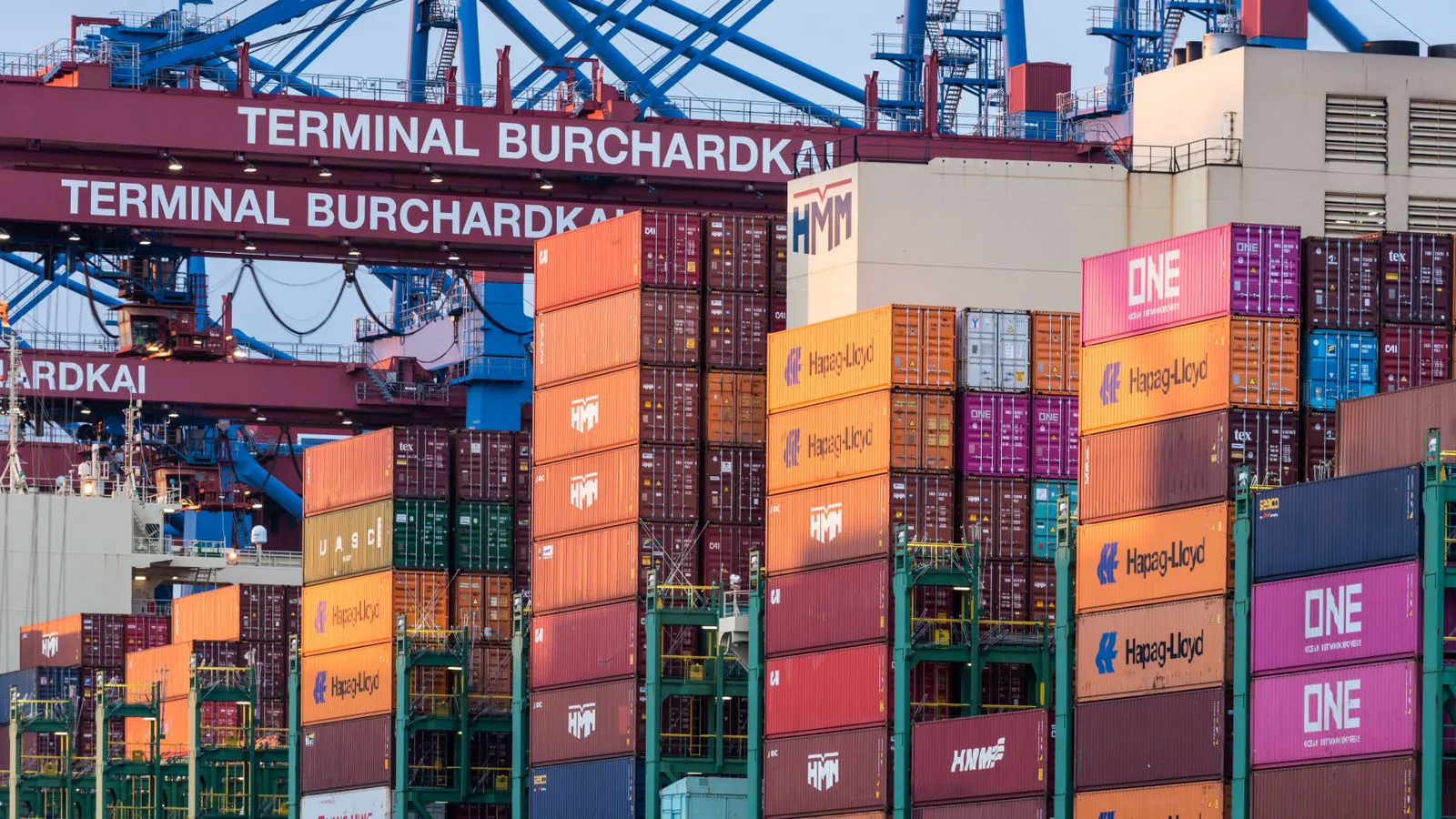
The destination port or terminal adds handling fees. These can include terminal charges, customs broker fees, storage if the machine arrives before the site is ready, and drayage to the final plant. In some cases, the buyer pays for a local customs agent, a freight forwarder, and a separate installation crew. Each of these adds a line item that is easy to overlook in an initial budget.
How lead time breaks down from order to installation
Lead time is not one number. It is a sequence of tasks, each with its own duration and dependency. Manufacturing lead time covers the production slot for the press, finishing, testing, and export packaging. After the machine leaves the factory, export documentation and shipping schedule set the next phase. Transit time depends on route and carrier. Then customs clearance, terminal release, inland transport, and site preparation determine when the press reaches the floor.
A typical sequence looks like this. The buyer signs the order and confirms the shipping method. The manufacturer prepares the unit and completes testing. Export paperwork, such as commercial invoices, packing lists, certificates of origin, and any required compliance documents, is issued. The freight forwarder books space and coordinates pickup. The carrier moves the press to port or airport. Transit occurs. At destination, customs clears the shipment. The press moves to the facility. The installation team levels the floor, connects utilities, and performs startup checks.
Each step can slip. A delayed certificate, a port congestion event, a missing site utility connection, or an installation crew delay all extend the final date. Buyers often underestimate site readiness. A press can be delivered on time while the installation date moves because the floor is not leveled, the compressed air supply is not ready, or the electrical connection is not complete.
How to write a clear RFQ for international buyers
A weak RFQ produces vague quotes. A strong RFQ gives the supplier enough detail to price the job accurately and reduce follow-up questions. The RFQ should state the press model or specification, quantity, delivery location, and required delivery date. It should also define the Incoterms, such as the agreed point where risk and cost transfer. The buyer should specify whether the quote should include freight, insurance, duties, and installation, or if those are separate.
The RFQ should list site conditions. Floor loading capacity, ceiling height, door width, power supply, compressed air, and environmental controls help the supplier plan transport and installation. If the site is in a remote area, the supplier needs to know that. If the building has limited loading access, the freight plan changes.
Compliance requirements belong in the RFQ. The buyer should state any required certifications, import standards, or documentation. This prevents late-stage delays when customs or local authorities request additional papers. The RFQ should also ask for the manufacturing lead time, the expected transit window, and the earliest installation date. It should ask for a breakdown of costs so the buyer can compare quotes fairly.
A clear RFQ also reduces the risk of receiving a quote that is too low to be realistic. Suppliers may price a bare machine, omit freight, or assume a standard route. If the buyer does not define the scope, the quote becomes a starting point rather than a decision-ready number.
How to compare quotes fairly
Comparing quotes requires a common basis. Two suppliers may offer different inclusions. One quote may include ocean freight and insurance while another includes only the machine. Another may include installation while another does not. If the buyer compares only the machine price, the decision is incomplete.
The buyer should build a landed cost table for each quote. This table should include machine price, export charges, freight, insurance, duties, terminal handling, inland transport, storage if applicable, installation labor, and any required compliance costs. The buyer should also note assumptions, such as the shipping route, vessel type, or air cargo option.
Lead time should be compared as a range, not a single date. A supplier may quote 8 to 12 weeks from order to delivery. Another may quote 10 weeks but with a tighter installation window. The buyer should ask what happens if a delay occurs. Does the supplier provide weekly updates? Who monitors customs? What is the escalation path if the press is held at port?
The buyer should also compare terms. Payment schedule, warranty start date, spare parts availability, and technical support can change the effective cost. A slightly higher quote with a local service team may cost less over time because of faster repairs and shorter downtime. A lower quote with long spare parts transit may be more expensive when a failure occurs during a production run.
Cost drivers and typical variables
The table below lists the main cost drivers and how they affect the final landed price.
| Cost driver | What it affects | Typical variation |
|---|---|---|
| Machine weight and dimensions | Freight class, container space, lift plan | Large sheetfed units may need special handling or full container use |
| Shipping mode | Transit time and cost | Sea freight is slower and cheaper; air freight is faster and pricier |
| Origin and destination | Duty rates, trade terms, compliance rules | Trade agreements can reduce duties; non-standard routes add handling |
| Port and terminal fees | Handling, storage, drayage | Fees vary by terminal, peak season, and local regulations |
| Insurance | Risk coverage | Coverage type and value affect premium |
| Site readiness | Installation date and labor | Delayed utilities or floor work push the startup date |
| Documentation and compliance | Clearance speed and cost | Missing papers can hold the shipment and add broker fees |
The buyer should treat each row as a question to ask the supplier or freight forwarder. If the quote does not explain a line item, the buyer should ask for a breakdown. A clear line item makes it easier to spot omissions and compare options.
Practical steps to shorten lead time and control cost
- Confirm the site is ready before the shipment arrives. Level the floor, check door clearances, and verify power and compressed air. This prevents the press from sitting in storage while the building is prepared.
- Define the Incoterms and delivery scope in the RFQ. The buyer should know exactly what is included and what is not.
- Build a landed cost table for every quote. Include freight, duties, insurance, handling, and installation. Compare the full number, not the sticker price.
- Ask for a lead time breakdown. Manufacturing, export, transit, clearance, and installation should each have an expected duration and owner.
- Identify the critical path. If customs clearance is slow in the destination country, start the documentation early. If the site is not ready, finish that work before the press arrives.
- Keep a single point of contact. The buyer should assign one person to coordinate the supplier, freight forwarder, customs broker, and installation team. This reduces missed handoffs and duplicate work.
A short lead time is usually a result of preparation, not luck. The buyer who finishes site work, documents, and utility checks before the shipment arrives can often move the press to startup faster. The buyer who waits until the container is at the port to discover a missing certificate or an unready floor will pay in storage fees and lost production time.
Common mistakes that raise cost
One mistake is treating the machine price as the total cost. The buyer may sign based on the invoice amount and then discover that freight, duties, and installation are separate. This is especially common when the first quote is from a sales team rather than a logistics team.
Another mistake is not defining the delivery location. A quote for a port delivery is not the same as a quote for a factory delivery. The buyer should state the exact address, receiving hours, and any site access restrictions. If the site is in a high-security zone or has limited trucking hours, the freight plan changes.
A third mistake is underestimating storage. If the press arrives before the installation date, the buyer pays for warehouse or yard space. In some cases, the press must be moved to a temporary location, which adds cost and risk.
A fourth mistake is not checking compliance early. Some destinations require specific labels, safety documentation, or environmental certifications. If these are missing, the shipment may be held. The buyer should ask the supplier for a list of required documents before ordering, not after the press is already in transit.
Final checklist for import planning
- Confirm the machine model, quantity, and delivery date.
- Define the Incoterms and the scope of the quote.
- List site conditions, including floor, power, air, and access.
- Ask for a landed cost breakdown, not just a unit price.
- Ask for a lead time breakdown by phase.
- Identify the critical path and the owner for each step.
- Verify compliance documents before shipment.
- Prepare the site before the press arrives.
The buyer who plans the import as a full project, not just a purchase, controls both cost and delivery. The numbers are easier to manage when they are written down, compared line by line, and checked against the site plan. The goal is not to find the cheapest quote. The goal is to find the quote that matches the site, the budget, and the production calendar.
Frequently asked questions
How should I compare two quotes for a sheetfed digital press?
Compare total landed cost, not just the machine price. Include freight, duties, insurance, handling, installation, and lead time. Ask each supplier to break down the same line items so the comparison is fair.
What happens if the press arrives before the site is ready?
The press may be stored at a terminal or warehouse until the installation date. Storage fees increase, and the startup date moves. The buyer should finish site preparation before the shipment arrives.
Can air freight be a practical option for a large sheetfed digital press?
Air freight is possible only for smaller units or urgent situations. It is usually much more expensive per kilogram and may not fit standard cargo. Sea freight is the common choice for large presses.
What documents should I ask for before ordering?
Ask for the commercial invoice, packing list, certificate of origin, compliance certificates, and any destination-specific safety or environmental documents. Request the list from the supplier before placing the order.
How do I shorten the lead time after the order is placed?
Prepare the site, confirm customs documents, and assign a single coordinator. Start utility and floor work before the shipment arrives. Monitor the critical path and escalate delays early.