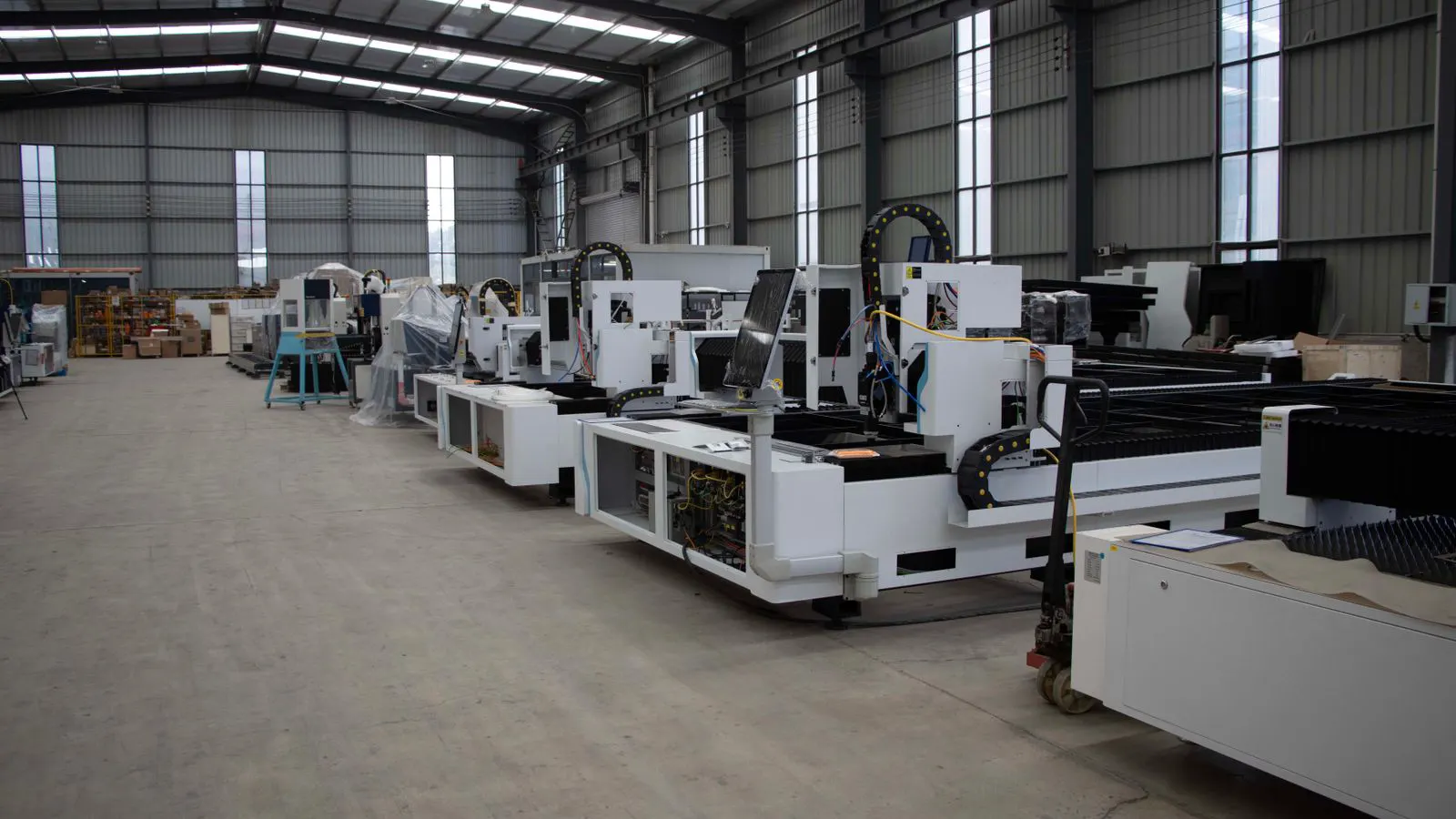
Buying Guide: Flexible Packaging Press Systems
This guide details how to select flexo packaging presses for film printing. It covers required configurations, high speed capabilities, and evaluation criteria to ensure the machine meets specific packaging production demands and performance expectations.
- Match ink units and drying systems to the specific film type and coating requirements.
- Verify registration accuracy and tension control before final acceptance of the machine.
- Prioritize local service presence and spare parts availability to minimize downtime.
- Evaluate throughput capacity against actual production schedules rather than maximum theoretical speed.
- Request reference sites and verify supplier financial health before signing a purchase order.
Identifying the Core Requirements for Flexible Packaging
Flexible packaging demands different mechanical tolerances than rigid substrate printing. The web moves continuously through the press, and the material is often thin, stretchy, or coated with sensitive inks. A standard web offset press cannot handle these variables without modification. The buyer must define the exact film type before contacting suppliers. Common substrates include polypropylene, polyethylene, and metallized films, each with different adhesion and shrinkage characteristics.
The press configuration must support the specific ink technology. Most flexible packaging uses water-based inks for food contact applications or solvent-based inks for non-food products. The choice of ink determines the drying system. Water-based inks require high heat or fast air drying. Solvent-based inks need ventilation and specific recovery systems. The ink unit must be able to hold the ink at the correct temperature to maintain flow viscosity.
Film width is the primary driver for machine size. A press running 300 millimeters of film will have a completely different frame geometry than one running 600 millimeters. The frame width dictates the number of ink units that can fit. It also affects the tension control system. Wider webs require more precise tension management to prevent registration drift. Buyers should specify the maximum web width they intend to use, not just the minimum.
Evaluating Ink Unit Configuration and Drying Systems
The number of ink units determines the color count. A standard four-color flexo packaging press runs CMYK colors. Some applications require spot colors or additional inks for metallic effects. Each ink unit adds cost and complexity. The spacing between units determines the drying distance. If the drying zone is too short, the ink may not cure properly. If it is too long, the film may cool down or the tension may become unstable.
Drying systems are critical for high speed production. Hot air dryers are common for water-based inks. They use heated air ducts to evaporate the water content quickly. The air temperature must be controlled precisely. Too hot a temperature can damage the film surface or cause ink to skin over. Too low a temperature results in wet inks sticking to the next unit or causing ghosting. UV dryers are faster but require specific ink formulations. UV inks cure instantly under the lamp, allowing very high speeds. However, UV inks are more expensive and have a shorter shelf life.
The ink fountain design matters. It must hold enough ink to prevent starvation during high-speed runs. A large fountain allows for longer runs without refilling. The ink return system must be efficient. Poor return causes ink dilution and color shifts. The ink fountain must also be cleanable. Residual ink in the fountain can harden and damage the ink roll bearings. The supplier should provide details on the fountain capacity and the cleaning cycle.
Registration Accuracy and Tension Control
Registration is the alignment of color layers. On a flexible packaging press, registration errors are more visible than on rigid printing. Thin films stretch unevenly. If the tension is not perfectly balanced, the web will shift between ink units. This causes color misregistration. The registration system must be automatic or highly adjustable. Optical registration sensors track the registration marks on the web. They send signals to the drive system to correct the speed of the register unit.
Tension control is the backbone of a stable web. Every roller must be driven with precise speed. The tension control system monitors the force on the web. It adjusts the speed of the drive roller to maintain a constant tension. If the tension fluctuates, the web will stretch or buckle. This causes registration errors and potential breaks. The buyer should ask for the tension control resolution. A high-resolution system can detect small changes in force. A low-resolution system only corrects after a significant deviation has occurred.
The web path must be smooth. Any sharp bend or rough surface on the roller can damage the film. The rollers must be polished and have the correct surface texture. The web path length must be consistent. If the path length changes during operation, the tension will change. The press must maintain a stable path length. This requires precise mechanical construction and quality bearings.
High Speed Capabilities and Throughput
High speed is a key selling point for flexo packaging presses. The speed of the press is usually measured in meters per minute. The maximum speed is not the only factor. The sustainable speed is what matters for production planning. A press that can run 100 meters per minute for an hour but only 80 meters per minute for a full shift has a different throughput than one that maintains 90 meters per minute consistently.
The throughput depends on the material and the ink. Running a thick film at high speed requires more drying power. Running a thin film at high speed requires more tension control. The press must be able to handle the specific combination of film and ink at the desired speed. The buyer should calculate the required production volume. For example, if the target is 50,000 meters per week, the press must run at a certain speed for a certain number of hours. The machine must meet that requirement with a margin for changeovers and maintenance.
The changeover time is a hidden cost. Changing from one job to another involves cleaning the ink units, changing the cylinder, and setting the registration. A fast changeover system saves money. The supplier should describe the changeover process. Is it manual or semi-automated? How long does it take? A short changeover allows for smaller batch sizes and more flexibility. A long changeover pushes the buyer toward larger batches.
Mechanical Build and Serviceability
The frame of the press must be rigid. Any flex in the frame causes registration errors. The frame is usually made of steel or cast iron. The bearings must be high quality. Cheap bearings wear out quickly and cause vibration. Vibration transfers to the ink units and causes ink transfer defects. The supplier should provide the bearing specifications. They should also describe the maintenance schedule.
Serviceability is often overlooked. A press that is hard to service causes long downtime. The ink units should be accessible. The sensors should be easy to clean. The tension rollers should be easy to adjust. The supplier should provide a detailed maintenance manual. They should also state the expected life of key components. If a part has a short life, the buyer needs to budget for it.
The electrical system must be reliable. A complex PLC system can be hard to troubleshoot. A simple, robust system is easier to maintain. The control panel should be intuitive. The operator should be able to change settings quickly. The system should log data for quality control. The data includes speed, tension, and registration. This data is useful for troubleshooting and for proving consistency to customers.
Supplier Evaluation and Reference Checks
The supplier is as important as the machine. A good machine with a bad supplier is a bad purchase. The supplier must have a proven track record in the flexible packaging industry. They should be able to provide reference sites. The buyer should visit at least two reference sites. They should speak to the operations manager and the maintenance engineer. They should ask about the downtime rate and the quality of service.
The supplier must have a local service presence. If the press breaks down, the buyer needs help immediately. A distant supplier with a long response time is unacceptable. The supplier should have a local representative or a local service partner. They should have spare parts in stock. The buyer should ask for a list of common spare parts and their lead times. They should also ask about the service agreement. What is included in the service agreement? What is the response time for repairs?
The financial health of the supplier matters. A financially unstable supplier may go out of business before the end of the warranty period. The buyer should check the supplier’s financial statements. They should look for signs of instability. A stable supplier has a long-term plan. An unstable supplier is focused on short-term survival. The buyer should also check the supplier’s reputation in the industry. They should ask other buyers for their experience.
Final Decision Checklist
The decision to buy a flexo packaging press should be based on a structured evaluation. The buyer should use a checklist to compare different offers. The checklist should cover the technical requirements, the supplier capabilities, and the commercial terms. The buyer should not rely on a single factor. The machine must be the right size, the right speed, and from the right supplier.
The checklist should include the following items:
- Film width and material compatibility.
- Number of ink units and drying system type.
- Registration accuracy and tension control resolution.
- Sustainable speed and throughput calculation.
- Changeover time and ease of maintenance.
- Supplier reference site verification.
- Local service presence and spare parts availability.
- Supplier financial health check.
The buyer should score each offer against these criteria. The machine with the highest score is the best choice. The buyer should also consider the total cost of ownership. The purchase price is only part of the cost. The cost includes energy, ink, maintenance, and downtime. The buyer should calculate the total cost for a five-year period. The machine with the lowest total cost of ownership is the best value.
The final decision should be made after a thorough evaluation. The buyer should not rush. A wrong purchase is expensive to correct. The buyer should take their time and verify every detail. The right machine will run for years. The wrong machine will cause frustration and lost revenue. The buyer should choose carefully.
Frequently asked questions
What is the difference between water-based and solvent-based inks for flexible packaging?
Water-based inks are used for food contact applications and require hot air drying. Solvent-based inks are used for non-food products and require ventilation. The choice depends on the application and the regulatory requirements.
How do I determine the required ink units for my job?
Count the number of colors in the job. Each color requires one ink unit. Spot colors and metallic inks also require separate units. The total number of colors determines the number of ink units needed.
What is the impact of film width on press selection?
Film width determines the size of the press frame. A wider film requires a larger frame and more tension control. The buyer should specify the maximum web width they intend to use.
How important is the supplier's local service presence?
Local service presence is critical. If the press breaks down, the buyer needs help immediately. A distant supplier with a long response time is unacceptable. The buyer should ensure the supplier has a local representative.
What should I check during a reference site visit?
The buyer should check the condition of the press, the quality of the prints, and the downtime rate. They should speak to the operations manager and the maintenance engineer. They should ask about the supplier's service quality.