Explainer: How Wire Stitching Works in High-Volume Bookbinding
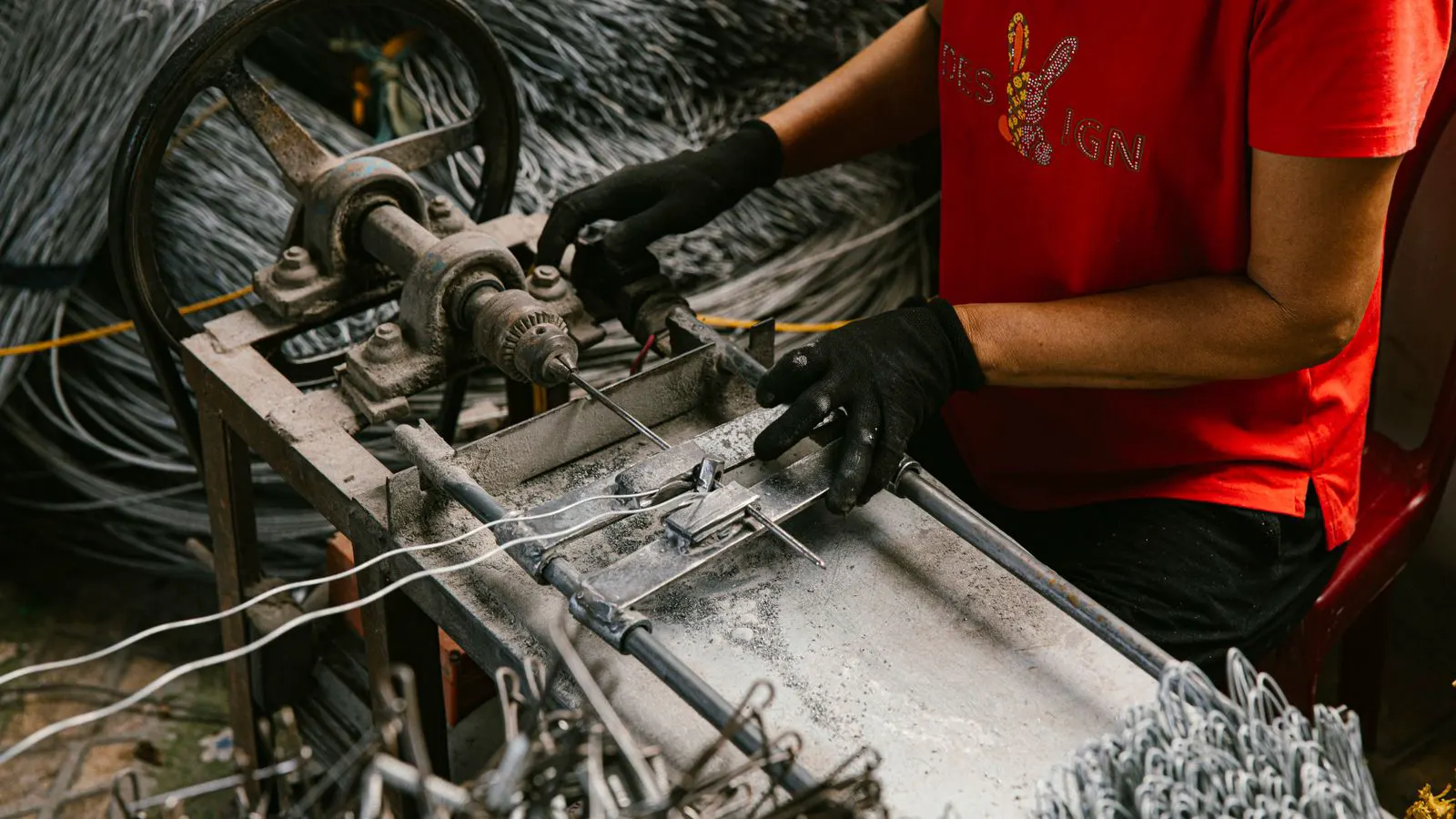
Wire stitching joins book signatures using metal threads passed through punched holes. This method creates a durable, open binding suitable for high-volume jobs. Understanding the punch and stitch mechanics helps you evaluate capacity, quality, and maintenance needs for your production line.
- Wire stitching joins folded signatures with metal thread to create a durable open binding.
- The machine punches holes in the gutter and feeds thread through them to form loops.
- Choosing this method depends on job type, production speed, and post-press line layout.
- Maintenance of punch heads and thread tension is critical for consistent output and reduced rejects.
- It differs from perfect binding because it does not require a glued spine.
What Wire Stitching Is in a Practical Sense
Wire stitching joins folded signatures using metal thread. The machine passes the thread through holes punched in the spine edge of each signature. The result is a bound book where the covers and signatures remain attached by metal loops.
This method is distinct from perfect binding, which uses an adhesive spine. Wire stitching also differs from saddle stitching, which uses a single wire through a folded section. Wire stitching is designed for books made of multiple signatures, where each signature is folded and then stacked. The machine works on the stack of signatures before the covers are applied.
In a high-volume setting, the goal is to move a large stack of signatures through the machine quickly. The operator loads the signatures into the feed tray. The machine advances them one at a time or in small batches. It then punches the holes, threads the wire, and trims the excess. The finished stack moves to the next station on the finishing line.
The key parts are the punch heads, the feed mechanism, the thread guide, and the trimmer. The punch heads cut the holes. The feed mechanism moves the signatures. The thread guide keeps the wire in position. The trimmer cuts the wire flush with the spine. Each part must work in sequence. If one part fails, the whole process stops.
How the Punch Mechanism Creates the Holes
The punch mechanism is the first step in wire stitching. The machine holds the stack of signatures in a feed tray. A set of punch heads moves down into the stack. The punch heads have holes that match the desired stitch positions.
The punch heads cut the holes at the same time. This simultaneous action ensures that the holes line up across the whole stack. If the punch heads were to work one by one, the stack might shift and the holes would be uneven. Simultaneous punching keeps the signatures aligned.
The depth of the punch is set by the machine. The punch must go through the full thickness of the stack. If the punch does not go deep enough, the thread will not pass through. If it goes too deep, it may damage the paper or the signatures. The operator sets the depth based on the paper weight and the number of signatures in the stack.
After the punch heads rise, the holes are ready for the thread. The machine then moves the signatures to the stitching station. The holes must be clear of paper dust and debris. Dust can jam the thread guide. A vacuum or a brush is often used to clean the area before the next cycle.
How the Thread Passes Through the Holes
Once the holes are punched, the thread guide lowers the wire into the holes. The wire is a thin metal thread, often made of steel. It is fed from a spool onto the guide. The guide holds the wire in a straight line.
The machine then pulls the wire through the first set of holes. The wire forms a loop on the outside of the signatures. The loop is then pulled through the next set of holes. This process repeats for each stitch position.
The number of stitch positions depends on the book width. A narrow book might use two stitch positions. A wider book might use three or more. More positions create stronger binding. But they also add time to the cycle. The operator must balance strength and speed.
The thread tension is critical. If the tension is too loose, the loops will not hold the signatures together. If the tension is too tight, the wire may snap or the paper may tear. The machine has a tension control. The operator sets it based on the paper type.
After the last stitch position is completed, the wire is cut. The trimmer removes the excess wire. The wire ends are folded or tucked in some machines. This keeps the spine neat and prevents the wire ends from catching on other books.
How the Machine Feeds and Advances Signatures
The feed mechanism moves the signatures through the machine. The feed tray holds the stack. The machine uses a feed rail or a vacuum to pull the next signature into the punch area. The feed must be precise. If the signature shifts, the holes will be misaligned.
The feed mechanism also controls the speed. A high-volume machine can process many signatures per hour. The operator sets the speed based on the job requirements. Faster speed means more output. But faster speed also increases the risk of errors.
After the signatures are stitched, the machine advances them to the next station. The next station might apply the covers. It might move the book to a perfect binding line. The wire stitching machine is just one part of the finishing line.
The feed mechanism must be maintained. The feed rails wear over time. If they wear, the signatures will not feed straight. The operator should check the rails regularly. Cleaning the rails and replacing worn parts keeps the machine running smoothly.
How Wire Stitching Compares to Other Binding Methods
Wire stitching is one of several binding methods. It is often compared to perfect binding and saddle stitching. Each method has its own strengths and weaknesses.
The table below shows how wire stitching compares to perfect binding and saddle stitching in a typical post press environment.
| Binding Method | Mechanism | Typical Use | Strength | Cost Factor |
|---|---|---|---|---|
| Wire Stitching | Metal thread through punched holes | Trade books, manuals, catalogs | High, open binding | Moderate |
| Perfect Binding | Adhesive spine | Mass market paperbacks | Medium, closed spine | Lower |
| Saddle Stitching | Single wire through folded section | Magazines, brochures | Low, open binding | Low |
Wire stitching is stronger than saddle stitching because it uses multiple wire loops. It is also stronger than perfect binding in the sense that it does not rely on glue. The glue in perfect binding can crack over time. The wire in wire stitching does not crack.
However, wire stitching is more expensive than saddle stitching. It requires a larger machine. It also takes more time to set up. Perfect binding can be cheaper for very large runs of paperbacks. But it produces a closed spine. Wire stitching produces an open spine. The choice depends on the end product.
How Wire Stitching Affects Sourcing Decisions
When you source a wire stitching machine, you must consider several factors. The first factor is capacity. The machine must handle the volume of signatures you produce. If you produce a large number of books per day, you need a high-capacity machine.
The second factor is signature size. The machine must handle the size of your signatures. A machine designed for A4 signatures may not handle A3 signatures well. You must match the machine to your paper stock.
The third factor is post press layout. Wire stitching fits into a specific layout. The machine must be placed near the press and the cover application station. If the layout is not right, the finished books will not move smoothly to the next stage.
The fourth factor is maintenance. Wire stitching machines require regular maintenance. The punch heads wear. The thread guide wears. The feed mechanism wears. You must plan for maintenance time. A machine that breaks down often will slow your production line.
The fifth factor is quality control. Wire stitching requires checks. The operator must check the punch depth. The operator must check the thread tension. The operator must check the trim. A small error can lead to a large number of rejects. You need a quality control plan.
A Worked Example in Plain Words
Imagine a print shop that produces a 64-page trade book. The book is made of two 16-page signatures. The signatures are folded and stacked. The stack is placed in the wire stitching machine.
The machine punches two holes in the spine edge. The holes are at the center of the spine. The machine then feeds the wire through the holes. The wire forms two loops. The loops hold the two signatures together. The wire is trimmed. The stack moves to the cover station.
The cover is applied. The covers are glued to the signatures. The book is then trimmed and inspected. The finished book has an open spine. The wire loops are visible. The book can be opened flat without the spine cracking.
This example shows how wire stitching works in a real job. The operator sets the punch depth to match the stack thickness. The operator sets the tension to match the paper. The machine runs at a steady speed. The finished product is a durable trade book.
The key point is that the machine must match the job. The punch depth, thread tension, and feed speed must all be set correctly. If the job changes, the settings must change. The operator must be trained to make these adjustments. A well-trained operator can keep the machine running smoothly.
Common Mistakes and How to Avoid Them
The most common mistake is setting the punch depth too low. The thread does not pass through. The machine jams. The operator must increase the depth.
The second common mistake is setting the thread tension too tight. The wire snaps. The signatures are not stitched. The operator must reduce the tension.
The third common mistake is ignoring the feed rails. The signatures shift. The holes are misaligned. The operator must clean the rails and check for wear.
The fourth common mistake is not checking the trim. The wire ends are too long. They catch on other books. The operator must check the trim and adjust the trimmer.
The fifth common mistake is not planning maintenance. The punch heads wear. The thread guide wears. The machine breaks down. The operator must follow a maintenance schedule.
These mistakes are avoidable. They happen when the operator is not trained or when the machine is not maintained. A clear checklist and a regular maintenance plan can prevent most of these issues.
Final Thoughts on Choosing Wire Stitching
Wire stitching is a reliable method for binding books. It creates a strong, open binding. It is suitable for high-volume jobs. It is also suitable for jobs where the book must open flat.
The choice of wire stitching depends on the product. If the product is a trade book, a manual, or a catalog, wire stitching is a good fit. If the product is a paperback, perfect binding may be a better fit. If the product is a brochure, saddle stitching may be a better fit.
The machine must match the job. The capacity, the signature size, and the post press layout must all align. The operator must be trained. The machine must be maintained. The quality control must be in place.
When these factors are in place, wire stitching can run smoothly. The finished books will be strong and durable. The production line will move efficiently. The customer will receive a product that meets their needs.
Frequently asked questions
What is the main advantage of wire stitching over perfect binding?
Wire stitching creates an open spine that does not rely on adhesive. This makes the binding more durable and allows the book to open flat.
Can wire stitching handle different paper weights?
Yes, but the punch depth and thread tension must be adjusted for each paper weight. Heavier paper may require deeper punches and tighter tension.
How many stitch positions does a typical wire stitching machine use?
A typical machine uses two to four stitch positions. The number depends on the book width. Wider books need more positions for stronger binding.
What parts of a wire stitching machine wear out first?
The punch heads and the feed rails usually wear out first. The thread guide can also wear. Regular inspection and replacement of these parts keep the machine running.
Is wire stitching suitable for low-volume jobs?
It can be, but it is more efficient for medium to high-volume jobs. The setup time is longer than for saddle stitching, so small runs may not be economical.