Digital Press Cost: Short Run vs Offset
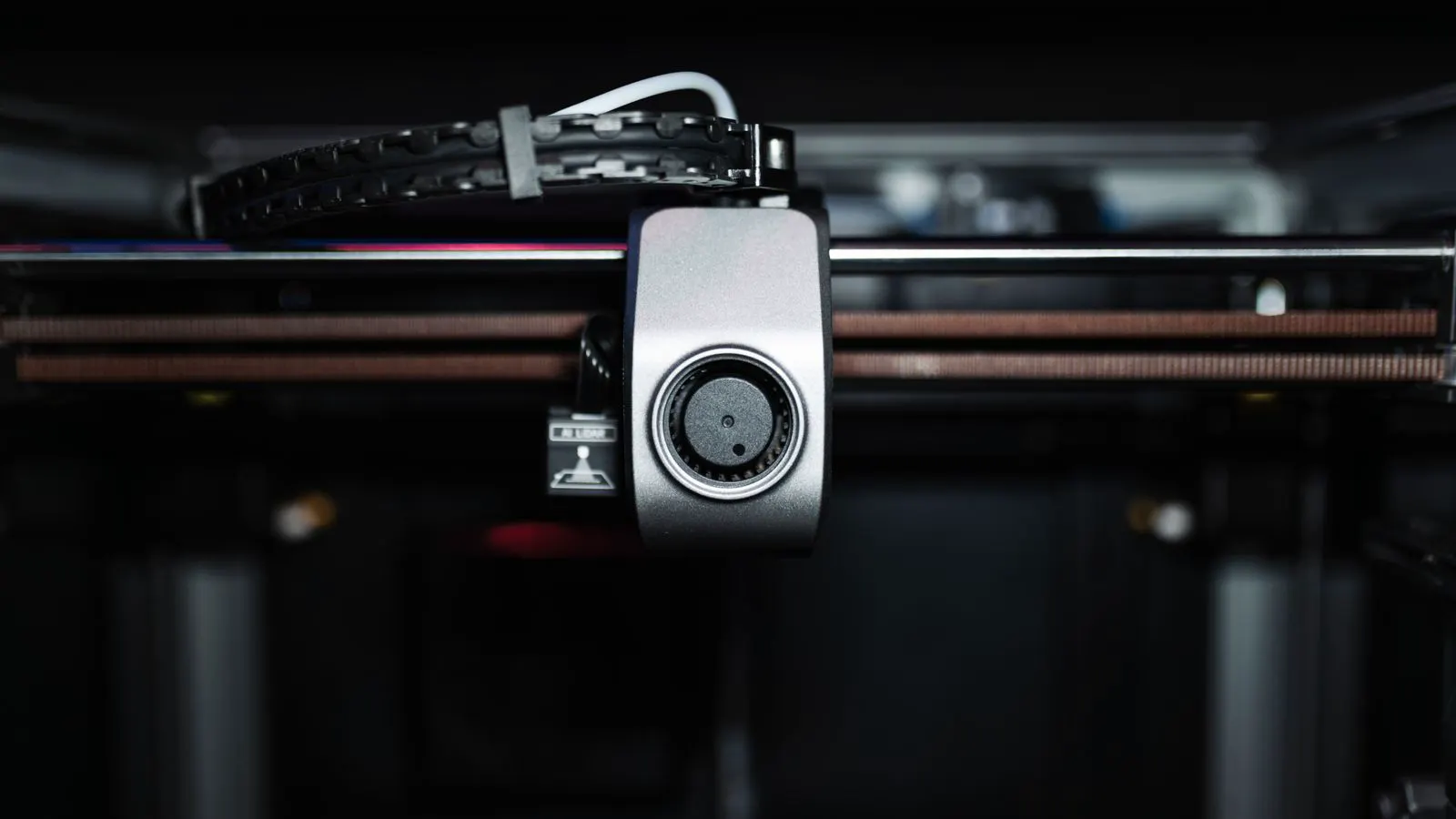
For short production runs, digital presses usually offer better economics than offset due to lower setup costs and faster lead times. Offset is more economical for longer runs where per-copy costs drop significantly.
- Digital presses reduce setup costs, making them ideal for short runs where lead time is critical.
- Offset printing lowers the per-copy cost significantly for longer production volumes.
- Total cost of ownership includes more than just the machine price; it includes consumables and labor.
- A clear RFQ should specify paper, finishing, and delivery requirements to get accurate quotes.
- Evaluating ROI requires looking at the break-even point where offset becomes more cost-effective.
Choosing between a digital press and an offset press is one of the most common decisions in commercial printing. For short production runs, the choice often comes down to balancing cost against speed. Digital technology has evolved to handle high-quality output with minimal setup, while offset remains the standard for high-volume, long-run production. Understanding the financial implications of each press type is essential for optimizing your production workflow.
How Setup Costs Impact Short Run Economics
The most significant difference between digital and offset printing is the initial setup phase. Offset presses require physical plates, ink keys, and precise registration adjustments. This process takes time and labor, which adds a fixed cost to every job. For a short run, this fixed cost can represent a large portion of the total price per copy.
Digital presses eliminate the need for physical plates. Once the file is prepared, the machine can print almost immediately. This drastically reduces the setup time and labor costs. For short runs, this efficiency translates directly into a lower cost per unit. The break-even point, where offset becomes cheaper than digital, is often higher for digital-only workflows.
Lead Time and Delivery Speed
Lead time is a critical factor in modern printing, especially for on-demand and short run scenarios. Digital presses are designed for speed. They can start printing within minutes of receiving a file, allowing for rapid turnaround times. This speed is invaluable for marketing materials, personalized documents, and urgent production needs.
Offset printing, by contrast, requires a longer preparation phase. The time spent on plate creation and press calibration adds to the overall lead time. However, once the press is running, offset machines can print at very high speeds. For short runs, the faster start-up of digital presses usually results in a shorter total lead time.
Comparing Per-Copy Costs
When analyzing per-copy costs, it is important to look beyond the machine price. Digital presses have lower fixed costs but higher variable costs per page. The cost of toner or ink and the wear of the machine contribute to the per-copy price. Offset printing has higher fixed costs but lower variable costs. Ink, plates, and paper are the main consumables, and the cost per page decreases significantly as the run length increases.
For a short run of 500 copies, the digital press will likely have a lower total cost due to reduced setup. For a run of 5,000 copies, the offset press may become more economical because the fixed setup cost is spread over more units. The exact break-even point depends on the specific machines, paper types, and finishing requirements.
ROI Analysis for Short Production Runs
Return on investment (ROI) for printing equipment is determined by how efficiently the machine is utilized. Digital presses are well-suited for short run printing because they can handle a wide variety of jobs without significant downtime. This flexibility allows for higher utilization rates, even with smaller job sizes.
Offset presses are best utilized when running large, consistent jobs. If the production schedule is dominated by short runs, an offset press may sit idle for long periods, reducing its ROI. Conversely, if the schedule includes a mix of short and long runs, a hybrid approach or a digital press with high throughput might offer a better balance.
How to Write a Clear RFQ
To compare quotes fairly, you need to provide a clear Request for Quote (RFQ). Ambiguity in job specifications can lead to varying interpretations from different suppliers. A good RFQ should include:
- Job volume and number of pages per sheet.
- Paper type, weight, and finish.
- Number of colors and any special inks.
- Binding and finishing requirements, such as stitching or lamination.
- Delivery deadline and required turnaround time.
- Any specific quality standards or color management requirements.
By standardizing your RFQ, you can compare quotes on a like-for-like basis. This approach helps you identify the most cost-effective solution without being misled by hidden costs or different service levels.
Cost Drivers in Digital vs Offset
The table below outlines the primary cost drivers for both press types. Understanding these factors helps in evaluating quotes and planning production budgets.
| Cost Driver | Digital Press | Offset Press |
|---|---|---|
| Setup Time | Low (minutes) | High (hours) |
| Setup Cost | Low | High |
| Per-Copy Cost (Short Run) | Higher | Lower (if volume is high) |
| Per-Copy Cost (Long Run) | Higher | Lower |
| Consumables | Toner/Ink, Maintenance | Ink, Plates, Solvents |
| Flexibility | High (variable jobs) | Low (consistent jobs) |
For short runs, the lower setup cost and time of digital presses usually outweigh the higher per-copy costs. As run lengths increase, the economy of scale in offset printing becomes more attractive.
Final Considerations for Buyers
When selecting a press type for short production runs, consider the overall impact on your business. Digital presses offer speed, flexibility, and lower barrier to entry for variable content. Offset presses provide consistent quality and lower per-copy costs for high-volume, static jobs.
For most short run applications, digital printing offers better economics due to reduced setup costs and faster lead times. However, if your production includes occasional long runs, evaluating a hybrid setup or a high-speed digital press with offset-like economics might be beneficial. Always calculate the break-even point based on your specific job mix to make an informed decision.
Frequently asked questions
Is digital printing more expensive than offset for short runs?
Yes, digital printing is typically more expensive per copy for short runs, but it has lower setup costs. For very short runs, the total cost is often lower with digital due to reduced setup time and labor.
What is the break-even point for offset vs digital?
The break-even point varies based on paper, finish, and machine speed, but it is often around 1,000 to 3,000 copies. Below this range, digital is usually more economical for short runs.
How does lead time affect the total cost of printing?
Lead time impacts cost through labor and capital. Faster lead times often require premium services or higher machine utilization, which can increase the price. Digital presses reduce lead time, potentially lowering overall project costs.
Can digital presses handle high-quality offset-like output?
Yes, modern digital presses can produce high-quality output that is often indistinguishable from offset for many applications. The specific quality depends on the machine model and the type of paper used.
What should I look for in a printing quote?
Look for itemized costs including setup, per-copy pricing, paper, and finishing. Ensure the quote clearly states the lead time and any additional fees for rush orders or special finishes.