Comparison: Sheetfed vs Web Inkjet for Short Runs
Sheetfed inkjet excels at small, mixed runs with diverse media, while web inkjet handles longer runs more efficiently. Procurement teams must balance setup flexibility against throughput to choose the best platform for their specific volume and media requirements.
- Sheetfed platforms offer greater flexibility for mixed media and complex short runs, though they incur higher cost per sheet.
- Web inkjet systems provide better throughput for continuous production, making them suitable for longer short runs.
- Media handling differences dictate which format is practical for your specific materials and finishing requirements.
- Setup time and changeover costs are critical decision factors when evaluating total cost of ownership.
- Consider your typical job length and media variety before committing to a platform.
Understanding the Core Differences
Sheetfed inkjet processes paper or board in discrete sheets, while web inkjet runs continuous rolls of material through the press. This distinction drives most of the operational differences between the two formats. Sheetfed machines stop and start for each job, allowing operators to swap media, change inks, and adjust settings without waiting for a full roll to finish. Web systems keep running at speed, but changing jobs means consuming part of a roll or waiting for a cut.
The choice between these formats depends on your production profile. If you handle many small jobs with different paper types, sheetfed tends to work better. If your short runs are longer, with consistent media, web inkjet can deliver more sheets per hour.
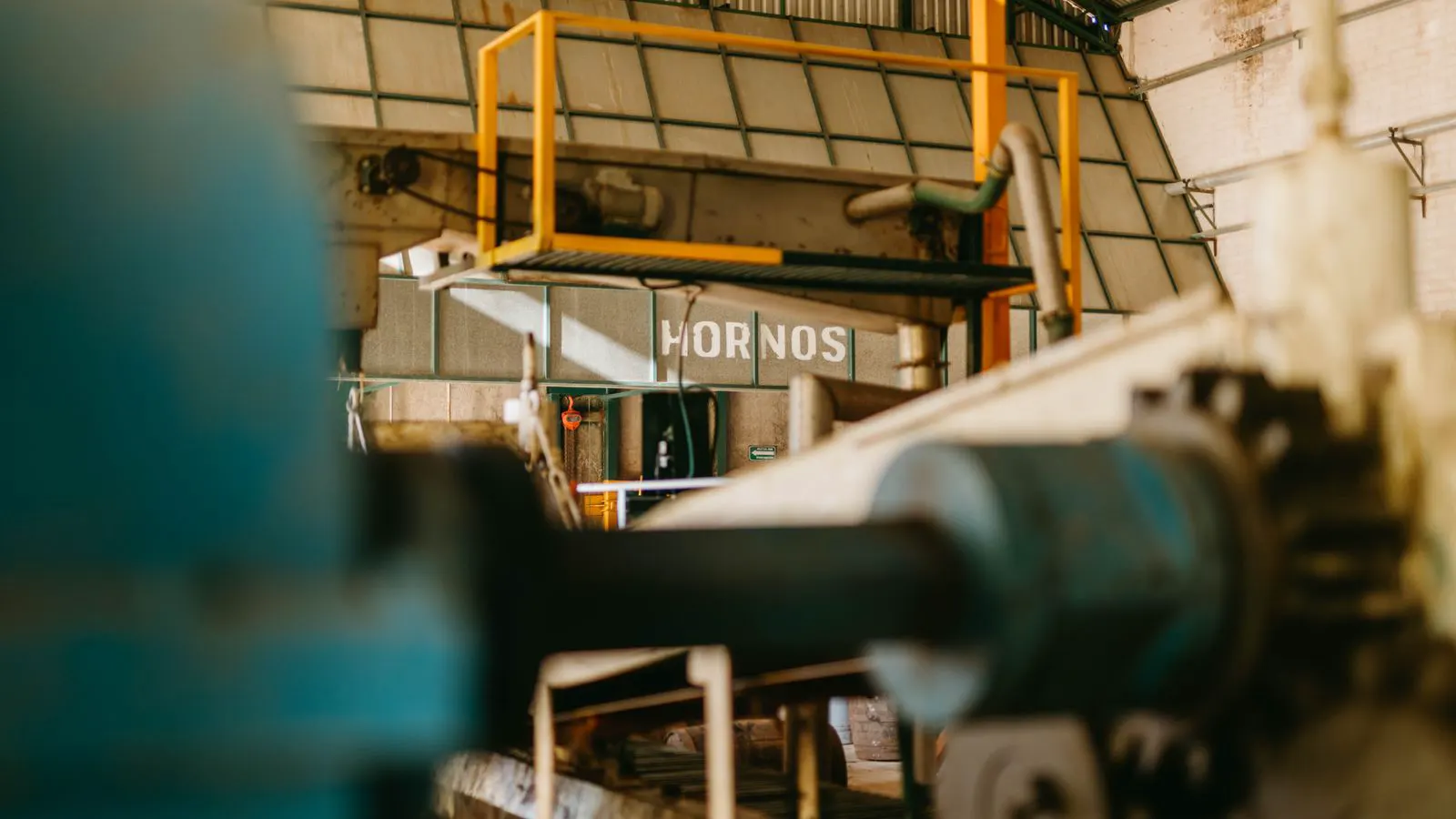
The physical layout of the pressroom reflects this difference. A sheetfed unit sits compactly, often no wider than the paper it prints. The operator stands at the front, loads a stack, and watches the sheets pass through the printhead assembly one at a time. A web system stretches across the floor. Rolls enter on one side, pass through a series of tensioning rollers, the print section, and the cutting section, before exiting as a continuous strip. The footprint is larger, and the maintenance schedule is more complex because of the moving parts.
Throughput and Setup Comparison
| Option | Best for | Limitations |
|---|---|---|
| Sheetfed inkjet | Mixed media, very short runs, complex finishing | Higher cost per sheet, slower throughput |
| Web inkjet | Longer runs, consistent media, high-speed production | Roll waste during changeovers, limited media width |
| Hybrid sheetfed | Moderate runs, some media variety | Higher capital cost, complex operation |
| Web with short roll option | Balanced throughput and flexibility | Premium pricing, specialized roll handling |
Throughput is the first factor to evaluate. Web inkjet presses generally move paper faster than sheetfed units. A web system might process several thousand sheets per hour, while a sheetfed machine handles a fraction of that volume. For a 500-sheet job, the difference is negligible. For a 5,000-sheet job, web inkjet can finish in a fraction of the time.
Setup time works against web systems in mixed production. Changing from a roll of coated paper to a roll of uncoated stock requires cutting, waste, and recalibration. Sheetfed machines handle each sheet individually, so switching from one media type to another takes only seconds. This flexibility makes sheetfed platforms attractive when you run dozens of different jobs in a day.
Consider a practical scenario. You have a 5,000-sheet run of glossy brochures. On a web press, you load the roll, calibrate the tension, and start printing. The job runs at speed for a short period. On a sheetfed press, you load five stacks of 1,000 sheets. You run the first stack, wait for it to clear the press, load the next, and repeat. The total time is longer, but the waste is zero. You do not have to cut a roll or discard the first few sheets that print with registration errors.
Setup time also includes the time to clean the printheads. Web systems often require a wash cycle or a specific cleaning procedure to prevent ink from drying in the nozzles during changeovers. Sheetfed machines can often be cleaned quickly between jobs, but the stop-start nature of the process means the ink stays in the nozzles longer during idle periods. This requires careful management to avoid clogs.
Media Handling and Job Complexity
Media handling creates the biggest practical gap between the two formats. Sheetfed inkjet accepts a wider variety of stock types. You can run cardstock, specialty papers, fine art paper, and even some rigid materials without major adjustments. Web inkjet is more constrained. It handles coated and uncoated papers well, but specialty stocks can cause feeding issues or require specific tension settings.
Job complexity matters here. If you print a mix of business cards, brochures, and promotional pieces with different paper stocks and finishes, sheetfed gives you room to maneuver. Web inkjet wants consistency. It works best when you have a predictable run of similar jobs on similar media.
One common mistake is underestimating the effort of preparing web rolls. Cutting a roll to the right width, calculating waste, and managing the roll feed takes time and space. Sheetfed jobs are simpler. Load the stack, run the job, remove the finished sheets.
The tension control in a web system is critical. If the tension is too high, the paper can tear or distort. If it is too low, the paper can slip or wrinkle. The operator must monitor the tension gauge and adjust the rollers as the roll diameter decreases. A full roll has different tension requirements than a roll that is half empty. This dynamic adjustment is a skill that takes time to develop.
Sheetfed machines do not have this continuous tension problem. Each sheet is fed individually by a feeder. The paper is flat and stable. The main concern is registration, which is controlled by the feed rollers and the printhead alignment. This is easier to manage and troubleshoot.
Specialty papers pose different challenges. A thick cardstock may not feed correctly on a web press because the tension rollers are designed for thinner, more flexible materials. The paper can buckle or create gaps. On a sheetfed press, the feeder mechanism can accommodate thicker stocks with minor adjustments. The paper is supported throughout the print path, reducing the risk of distortion.
Cost Structure and Total Cost of Ownership
The upfront cost of a web inkjet press is typically higher than a sheetfed unit. Web systems require more space, more infrastructure, and more skilled operators. They also consume ink at higher rates per hour because they run faster. Sheetfed machines are cheaper to buy and run, but the cost per sheet is higher.
For short runs, the cost per sheet matters less than the speed of turnaround. A sheetfed machine might cost more per sheet but finish the job in an hour. A web machine might cost less per sheet but take three hours because of setup and waste. For a 200-sheet job, sheetfed often wins on total cost. For a 3,000-sheet job, web inkjet usually wins.
You need to calculate your true cost. Include setup time, media waste, operator labor, and finishing. A web job that saves 40 percent on ink but adds 30 minutes of setup might not be cheaper than a sheetfed job that finishes in 15 minutes.
Ink consumption is a significant factor. Web systems use larger printhead arrays to print at speed. This means more ink is consumed per hour, even if the ink usage per sheet is lower. Sheetfed systems use smaller printheads, so the hourly ink consumption is lower, but the ink usage per sheet is higher because the machine runs slower and may have more waste during startup and shutdown.
Maintenance costs also differ. Web systems have more moving parts. The tension rollers, the cutters, and the feed mechanisms wear out faster. The ink system is more complex and requires more frequent cleaning. Sheetfed systems have simpler mechanics. The maintenance is less frequent and less expensive. However, the printheads in sheetfed systems can clog if the machine sits idle for long periods, which requires careful management.
When to Choose Sheetfed Inkjet
Choose sheetfed inkjet when your production is fragmented. This means many small jobs, different media types, and frequent changes. If you handle 20 to 50 jobs per week, each under 1,000 sheets, sheetfed is the practical choice. You can switch from a glossy brochure to a matte business card without losing an hour to roll changes.
Sheetfed also works well when you need to integrate with finishing. Die cutting, folding, and stamping often happen after printing. Sheetfed sheets can move directly into a finishing line. Web inkjet requires cutting the web into sheets before finishing, which adds a step and potential for waste.
If your media list includes specialty papers, cardstock, or laminated stocks, check compatibility. Many web systems struggle with rigid or textured materials. Sheetfed handles these more reliably.
The flexibility of sheetfed is its greatest strength. You can print a job of 50 sheets of heavy stock for a high-end client, then switch to 500 sheets of lightweight paper for a direct mail campaign. The transition is quick. The operator changes the stock, adjusts the registration, and starts printing. There is no need to wait for a roll to be cut or to manage the transition from one roll diameter to another.
Sheetfed is also better suited for small print shops and job printers. The space requirements are lower, and the capital investment is smaller. A single operator can manage the machine and the finishing process. This makes it a viable option for businesses that are just starting out or that want to diversify their services without a large commitment.
When to Choose Web Inkjet
Choose web inkjet when your short runs are on the longer side. If your typical job is 1,000 to 10,000 sheets on a single stock, web inkjet can deliver better throughput. The machine keeps running, and the cost per sheet drops as the run length increases.
Web inkjet also fits well if you have a dedicated finishing area. If you cut sheets after printing anyway, the extra step is manageable. If you run a high-volume job on a consistent stock, the setup time is a one-time cost that gets amortized over the run.
Consider web inkjet if you plan to expand into larger runs later. A web system can handle longer jobs without a major upgrade. A sheetfed machine has a hard speed limit. If your business grows beyond what sheetfed can handle, you may need to replace the entire platform.
The efficiency of web inkjet is highest when the run is long and the media is consistent. If you are printing a large volume of catalogs on the same coated stock, the setup time is a small fraction of the total production time. The cost per sheet is lower, and the machine utilization is higher. This makes web inkjet a good investment for high-volume production.
Web inkjet is also well-suited for digital printing of large format materials. If you are printing banners, posters, or large format graphics, web inkjet is the standard format. The continuous roll allows for large print areas without the need to stitch multiple sheets together. This is a key advantage over sheetfed, which is limited by the size of the paper.
Final Selection Checklist
Before you decide, run this checklist through your production data.
- What is your average job length? If most jobs are under 500 sheets, sheetfed is likely better. If most jobs are over 2,000 sheets, web inkjet can win on throughput.
- How many different media types do you use? If you switch between at least five paper types per week, sheetfed gives you flexibility. If you stick to two or three stocks, web inkjet can handle it.
- How much space do you have? Web inkjet needs room for roll storage and unloading. Sheetfed needs less floor space.
- What is your finishing process? If you die cut, fold, or stamp, sheetfed integrates more smoothly.
- What is your labor capacity? Web inkjet requires more skilled operators for roll handling and tension control.
The answer is rarely one platform for every job. Many printers run both. A sheetfed unit handles the small, varied work. A web unit handles the longer, consistent runs. If you can only buy one, look at your job mix and pick the platform that matches your dominant workload.
Consider the long-term implications of your choice. If your job mix is shifting toward longer runs and larger format jobs, a web system may be more future-proof. If your business is growing in diversity and complexity, a sheetfed system will keep up with your needs. The right choice is the one that aligns with your current production profile and your planned growth.
Frequently asked questions
Can I run specialty papers on web inkjet?
It depends on the specific stock and machine. Many web systems handle coated and uncoated papers well, but rigid or heavily textured stocks can cause feeding problems. Test your media before committing.
How much waste do web inkjet changeovers create?
Waste varies by roll size and job length. A short job on a large roll can waste a significant portion of the roll. You need to calculate the cost of that waste when comparing to sheetfed.
Is web inkjet faster for every job?
No. Web inkjet has higher throughput, but setup time can eat into those gains for short jobs. For runs under 500 sheets, sheetfed often finishes faster when you include setup.
What space does web inkjet require?
Web systems need room for roll storage, the press itself, and a cutting or unloading area. Sheetfed machines are more compact and fit in smaller spaces.
Can I add finishing to a web inkjet line?
Yes, but you must cut the web into sheets first. This adds a step and potential for waste. Sheetfed sheets move directly into finishing equipment.